Building Visual Consistency Across Corporate Uniforms and Every Role

Visual consistency across every uniform role means applying one controlled set of design rules, covering colour, logo treatment, garment architecture and trim, so that corporate uniforms, technical clothing and PPE workwear read as a single organisation even though each garment does a different job. A workforce can look fragmented when engineers, reception teams, facilities staff and senior managers all wear clothing selected in isolation. For complex operators, a strategy for creating visual consistency across every role connects these groups without forcing them into identical garments.
This article explains how uniform design can align brand recognition with safety, inclusive fit, durability, stock control and operational performance.
Why Visual Consistency Matters in Complex Workforces
Brand consistency makes authorised employees recognisable across sites, territories and customer touchpoints, strengthening brand recognition and the customer experience. Effective brand guidelines allow corporate uniforms, technical clothing and outerwear to express one identity while meeting different operational needs. When Churchill Living needed a consistent look for approximately 300 sales staff, we developed an original check fabric to work with the client’s own navy and burgundy, a small detail from the Churchill Living uniform programme that shows how a controlled colour palette can still feel designed for one brand rather than assembled from a catalogue.
From our London design studio we apply a ‘sustainable by design’ perspective to this challenge. Our approach reflects full-service support for effortless uniform management; from design and sourcing to repair, because governance after launch matters as much as the original concept.
Consistency Creates Recognition and Reassurance
A controlled colour palette, repeated shapes and familiar details make it easier for customers and colleagues to recognise staff, supporting visual consistency across every role. Cross-platform alignment with signage, vehicles, interiors and digital communications makes the organisation appear more dependable because each encounter reinforces the same visual signals.
One Brand Can Support Many Job Requirements
A connected uniform programme resolves protection, mobility, weather resistance and professional presentation around each role, rather than treating categories as unrelated purchases. We are B Corp certified and design inclusively for wearer wellbeing, drawing on 45 years experience since 1981, 350,000 people dressed, and programmes delivered across automotive, hospitality, transport, travel, retail and services and utilities, as well as on the realities of managed service delivery.
Define the Shared Design Language Before Selecting Garments
A shared design language is the fixed set of rules, covering colour standards, typography, logo reproduction, imagery direction and layout principles, that is agreed before any garment is chosen so every later range inherits the same identity. A visual identity must first be translated into rules that work across clothing, identification, accessories and outer layers, with sufficient flexibility for practical clothing.
Our decades of experience demonstrate why a design framework should precede range selection, which is why our design and sourcing process fixes the framework before ranges are built. Garments change during a contract, but the shared language must remain stable enough to preserve recognition.
Set the Non-Negotiable Visual Cues
Select a limited set of stable cues, such as primary colours, logo positions, fastenings, name-badge treatments, trim and contrast panels. Exact colour codes and reproduction tolerances prevent visual drift when different factories, suppliers or replenishment orders enter the programme.
Use Garment Architecture to Link Different Roles
Garment architecture is the set of structural design choices, such as collar shape, panel lines and pocket placement, that a range reuses across different garments so unrelated pieces still read as one system. Related collar shapes, panel lines, piping, pocket styling and colour blocking can connect polos, knitwear, jackets, tailoring and technical garments. Repeating two or three distinctive details creates a stronger family resemblance than placing every brand device on every item.
Map Roles, Environments and Wearer Needs
A role audit should document tasks, hazards, customer contact, climate, movement, laundering, shift length, identification and fabric performance. Separating essential operational requirements from subjective design preferences prevents design patterns from compromising safety or usability.
Operations, procurement, HR, health and safety, brand teams and representative wearers should contribute before concepts are finalised. Their combined evidence exposes conflicts that a purely visual review will miss.
Create Role-Based Uniform Families
Role-based uniform families group different jobs, such as office, customer-facing, mobile and technical roles, under a shared visual language while still letting each garment meet the specific demands of its role. Group office, customer-facing, mobile, facilities and technical roles into connected families with shared visual cues. PPE workwear requires a separate risk-based specification: in our work on the Laing O’Rourke PPE range we held six wearer trials in several locations, involving more than fifty wearers from different job roles, which shaped a construction range designed specifically for women rather than a scaled-down men’s pattern. The UK Health and Safety Executive requires employers to assess PPE at work before use to confirm it is fit for purpose, and to ensure it remains compatible with other equipment provided, which means branding cannot override protection or compatibility requirements.
Design for Inclusive Fit and Comfort
Inclusive sizing should cover body-shape options, modesty, pregnancy, religious requirements and accessible closures from the outset. Comfortable employees are more likely to wear garments correctly, while poor fit can reduce movement, confidence and consistent adoption.
Build a Practical Design System for Corporate Uniforms
A uniform design system is the operational source of truth connecting brand intent with repeatable production, the single reference that keeps corporate uniforms, technical clothing and PPE workwear reading as one family even when they are made by different factories in different years. It should contain each technical specification, approved material, colour tolerance, branding location, decoration method, size range, care instruction and replacement rule.
This control enables a uniform supplier to reproduce the range throughout a long contract. It also gives procurement teams an objective basis for reviewing samples, substitutions and quality concerns.
Specify Materials and Details for Their Working Context
Fabric weight, stretch, breathability, abrasion resistance and care requirements should reflect the task, climate and expected wear cycle. Embroidery, transfers, reflective details and other branded treatments must remain legible after realistic laundering and repair.
Test Before Full Rollout
Wearer trials should test fit, movement, heat management, visibility, pocket access and durability under genuine working conditions. Structured findings should feed into lifecycle management and rollout planning, with final samples checked against the controlled specification before production.
Protect Consistency Through Rollout and Stock Management
Consistency survives launch when sizing data, launch sequencing, stock availability and site communication are planned as one exercise rather than handled separately. Even a strong design can fail when any of these is weak. A phased rollout protects operational continuity by confirming wearer readiness and establishing the same presentation standard across every location.
Central governance should control substitutions, local embellishment and requests for new role variants. Without this authority, short-term purchasing decisions gradually fragment the uniform estate.
Plan a Controlled Rollout
Reliable 3D digital sizing or in-person appointments should support site-level distribution plans, wearer guidance and contingency stock. A representative pilot identifies climate, fit and logistical problems before a multi-site launch makes corrections expensive and disruptive.
Manage Replenishment Without Brand Drift
An approved catalogue and controlled ordering route prevent locally sourced alternatives from entering the range. Demand data segmented by role, location and size helps work uniform suppliers maintain availability without creating excessive stock or obsolete inventory, in the way we phased a new front-of-house range in a grey marl herringbone poly/wool/lycra across 30 hospitals during the Nuffield Health uniform rollout over a two-week period rather than launching everywhere at once, later extending the same design language into a separate bespoke range for hospital Matrons.
Make Durability and Circularity Part of the Visual Strategy
Fading, distortion and damaged decoration undermine consistency as directly as an incorrect logo, so appearance retention is a specification issue rather than a maintenance afterthought. Durability, repairability, and responsible sourcing as standard can therefore preserve presentation while improving total cost of ownership, which is the principle behind our Green Thread Sustainability programme.
Lifecycle planning should establish repair, redistribution, reuse and end-of-use routes before launch. The European Environment Agency’s briefing on circular design in textiles reports a 2017 estimate that less than 1% of all textiles worldwide are recycled into new products, and argues that life-extending strategies such as design for durability, reuse and repair should be prioritised over recycling, which is what makes appearance retention a sustainability issue as well as a brand requirement.
Design for a Consistent Appearance Over Time
Specifications should define colour retention, shape retention, seam strength, decoration durability and wash testing according to expected use. Clear replacement thresholds help managers remove visibly worn items before they weaken the collective standard.
Use Lifecycle Data to Improve Future Ranges
Repair frequency, replacement rates, wearer feedback and stock data reveal where redesign or clearer care guidance could extend service life. Digital Product Passport readiness is also becoming relevant: the European Commission identifies textile apparel as a priority product group under the Ecodesign for Sustainable Products Regulation (ESPR) working plan for 2025-2030, and states that textile-specific passport requirements will be defined through a future delegated act. Nothing is yet in force for garments, so treat this as directional planning for data capture rather than a current compliance deadline.
Avoid the Common Causes of Visual Inconsistency
Fragmented buying, unclear ownership, untested garments and variable local interpretation are frequent causes of a disjointed uniform estate. A common pattern is corporate uniforms bought well but PPE workwear bought separately, with no shared colour code or badge treatment linking the two, so visitors and colleagues read them as two unrelated organisations rather than one. Following consumer fashion too closely can shorten a range’s visual life, while imposing one silhouette across all roles can damage inclusion and practicality.
The governing principle is straightforward: preserve the shared design language, but require every garment to justify itself through the job it supports. The trade-off is real, and worth stating plainly: the tighter the shared language, the fewer off-the-shelf options remain available to buyers, which is why the rules should be limited to the cues that genuinely carry recognition.
Do Not Treat Branding as a Final Decoration
Colour, logo placement and construction details must develop alongside fabric, fit and function. Adding branding after technical decisions are complete often produces awkward placement, while excessive logos increase cost, visual clutter and replacement complexity.
Do Not Exclude Wearers From the Process
Representative wearers expose issues that desk-based reviews miss, including glove incompatibility, overheating, restricted movement and inaccessible pockets. Explaining the operational and brand rationale behind the final range also helps employees understand why correct and consistent wear matters.
Frequently Asked Questions
How Can Different Staff Roles Wear Consistent Uniforms?
Create a shared design language through controlled colours, logo treatments, silhouette cues and repeated details, then let fabrics, fit, protection and functional features vary by role and environment. This is what allows technical, protective and customer-facing garments to keep distinct functions while still belonging to one recognisable system of staff uniforms.
How Do Organisations Maintain Uniform Consistency Across Multiple Sites?
Use an approved specification, controlled ordering, substitution governance, reliable stock data and planned replenishment. Central authority over local purchasing is the control that matters most, because locally sourced alternatives are the usual route by which a multi-site uniform estate drifts apart. Wearer trials and site feedback keep the range practical as operations change.
How Do PPE Workwear and Corporate Uniforms Work Together in a Single Uniform System?
Shared colours, logo positions and selected construction details can connect protective garments with tailoring and customer-facing clothing. Any treatment applied to PPE must remain compatible with required visibility, protection and certification, so branding decisions on protective garments are made within the risk assessment rather than after it.
What Is the Difference Between a Uniform Design System and a Single Uniform Range?
A single uniform range is one collection of garments for one group of wearers, while a uniform design system is the underlying set of rules, such as colour codes, garment architecture and technical specifications, that lets many different ranges stay recognisably connected. Corporate uniforms, PPE workwear and seasonal outerwear can all be added later without breaking the visual identity, because the system, not the individual range, carries the brand rules.
What Should Procurement Teams Consider When Selecting Work Uniform Suppliers?
Procurement teams should assess scalability, stock management, wearer engagement, sustainability credentials, technical competence and long-term programme governance. The strongest evaluation considers supply reliability and whole-life value, not simply initial garment price, because replacement rates and repair routes shape total cost more than unit cost does.
What Does a Visual Consistency Review Across Every Uniform Role Typically Include?
A review covers role requirements, colour and fabric matching, logo placement, accessories, availability and how the complete range works together. Scope and cost depend on the number of roles, locations, garments and brand standards, so a review of bespoke uniforms across a multi-site estate is a larger exercise than a single-site refresh.
Visual consistency comes from disciplined relationships between garments, not uniformity for its own sake. A controlled design language, role-based functionality and lifecycle governance allow every wearer to remain recognisably part of the same organisation. If you are reviewing corporate uniforms across several roles or sites, talk to our team about where the estate is drifting and what a single design system would need to hold it together.
More Articles

Is Your Hotel Uniform Ready for the EU’s New Sustainability Rules? A Guide to Sustainable Hotel Uniforms
Hotel uniforms are ready for new EU sustainability rules when each garment is backed by product-level data on fibre composition, sourcing, durability and end-of-use, so hotel groups that build this evidence now will be best placed as CSRD, ESPR and the Digital Product Passport take effect. A hotel uniform contract may look operational, but it […]

Can Better Uniforms Improve Hospitality Staff Retention? The Role of Hospitality Uniforms in Employee Experience
Better hospitality uniforms can support staff retention by removing a daily source of friction, although pay, progression, management and workload also shape labour turnover. A hotel employee may spend an entire shift adjusting a restrictive waistband, coping with excess heat or working without the pockets needed for basic tasks. That makes the question “Can Better […]

Do Your Guests Judge Your Brand Before They Reach the Front Desk? How Hotel Uniforms Shape First Impressions
The Guest Experience Starts Before Reception The guest experience starts at the kerb, the entrance or the first staff interaction, well before check-in. Every step of the arrival sequence shapes brand perception before a guest reaches the front desk, and hotel uniforms are one of the most visible parts of that sequence. Guests start forming […]

What Does a Uniform Programme Say About a Retailer’s Sustainability Commitments?
A Uniform Programme Is Evidence of How a Retailer Operates A uniform programme shows whether a retailer’s sustainability commitments work in practice or exist only as policy. When stores span several regions, uniforms become a recurring test of whether corporate sustainability policies work in everyday operations. Judging that means looking beyond sustainable uniforms to the […]
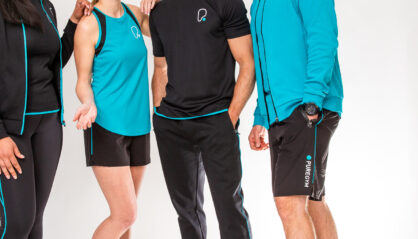
How Do Multi-Site Retailers Keep Retail Uniform Standards Consistent Across Every Location?
Why Uniform Consistency Is an Operational Standard Multi-site retailers keep retail uniforms consistent by treating them as an operational standard, because a garment is only as consistent as the ordering, stock and quality processes behind it. A retail uniform may look consistent at launch, yet differences soon emerge between stores, roles and regions. The practical […]

Why Retail Teams Outgrow Off-the-Shelf Uniforms
When Off-the-Shelf Uniforms Stop Supporting Growth Catalogue garments offer a practical, low-commitment starting point when a retailer has a small team and straightforward requirements. Retail teams usually outgrow off-the-shelf uniforms because operational complexity increases, not because ready-made clothing is inherently the wrong choice. More stores, territories, roles, seasonal peaks and wearer needs turn simple purchasing […]
