Do Your Guests Judge Your Brand Before They Reach the Front Desk? How Hotel Uniforms Shape First Impressions

The Guest Experience Starts Before Reception
The guest experience starts at the kerb, the entrance or the first staff interaction, well before check-in. Every step of the arrival sequence shapes brand perception before a guest reaches the front desk, and hotel uniforms are one of the most visible parts of that sequence.
Guests start forming an impression of a hotel through its architecture, ambience and staff before they reach the front desk, setting expectations for the rest of their stay. Signage is also part of the guest journey, with touchpoints such as the entrance, wayfinding sign and logo placement building an impression before the lobby. A clear wayfinding hierarchy runs from exterior signage to directional cues and finally to identifiable people, telling guests where to go and who can help.
Hotel uniforms are the coordinated garments worn by hotel employees to signal role, service standards and brand identity to guests. They are part of this spatial brand experience, helping guests recognise who can assist them across the lobby, restaurant, spa and other public areas. The strongest hospitality uniforms do more than look appropriate at launch. They also need to make sense when teams move between spaces, roles and different working conditions.
First Impressions Are Multisensory and Immediate
First impressions of a hotel form before a word is spoken. Guests notice appearance, posture, grooming and whether they can identify an employee before anyone speaks. Fabric selection matters because creasing, fading or poor recovery can weaken the perception of cleanliness, even when public areas are immaculate.
A polished identity must survive long shifts and repeated laundering. Colour fastness, a fabric’s resistance to fading through washing and light, and crease recovery, its ability to return to shape after folding or sitting, are therefore as important as the initial look. As a B Corp certified business, we also consider how material decisions connect presentation with responsible business practice.
Every Early Encounter Sets an Expectation
Every early encounter with a doorman, porter or concierge sets an expectation for the service that follows. Guests rarely experience a hotel brand through reception alone, and each interaction adds to their expectations of the service and experience ahead. Hotel uniforms help connect these different roles visually, creating a recognisable thread through the guest journey while still allowing each garment to reflect the practical demands of the role.
The aim is a connected team in which each role keeps its own identity. Thoughtful use of colour, silhouette, tailoring and subtle brand details can create consistency across teams while giving each role its own identity and functionality. When these elements work together, the uniform becomes part of a considered and cohesive guest experience.
Translate Brand Identity Into Role-Appropriate Hotel Uniforms
A strong uniform programme should feel unmistakably part of the brand without requiring every person, role or location to look the same. We translate brand identity into a coherent wardrobe, using colour, silhouette, fabric, tailoring and considered details to create a recognisable visual thread across front-of-house, reception, housekeeping, food and beverage, spa, leisure and management teams.
The design then needs to respond to where and how each person works. Architecture, interiors and the surrounding environment can inform the creative direction, while climate, movement, temperature, service style and the practical demands of each role shape the garment itself. A structured city hotel uniform may require sharper tailoring and different fabric performance from leisure uniforms in a spa or resort setting, where breathability, stretch, layering and freedom of movement become greater priorities.
This is where our wearer-first approach becomes particularly important. Each garment is considered around the people who will wear it and the work they need to do, because one design stretched across an entire workforce rarely serves anyone well. Wearer trials, role-specific fabric selection and inclusive sizing help refine fit, comfort and functionality, while shared design codes maintain brand consistency across the wider programme. The result is one recognisable brand expressed through clothing that is inclusively designed for wearer wellbeing.
Create Brand Consistency Without Making Every Role Look the Same
Brand consistency in hospitality uniforms comes from shared design codes applied across every role, with each garment adapted to the work. Our long-standing work with IHG shows how that can work at scale: distinct ranges for Holiday Inn, Holiday Inn Express and Crowne Plaza share operational rigour while protecting the identity of each hotel brand.
The starting point should be how the brand wants guests or members to feel, such as discreet luxury, contemporary energy, local character or relaxed wellbeing. We translate that direction into a connected uniform wardrobe, establishing the design principles that should remain consistent while adapting individual garments around different roles, working environments and wearer needs.
This creates a recognisable identity across the wider experience without forcing unnecessary uniformity. It also gives hospitality and leisure operators a framework for hospitality branding that can accommodate different departments, locations and future requirements without gradually losing sight of the original brand.
Create a Clear Visual Hierarchy Across the Team
A clear visual hierarchy helps guests and members understand who they are interacting with. Front-of-house employees need to be readily identifiable, while managers may require enough differentiation to signal their role without appearing disconnected from the wider team.
Tonal colour changes, shared trims, coordinated accessories, variations in tailoring and carefully controlled garment options can establish this hierarchy while retaining the same underlying design language. The result is a team that feels connected to one brand, with enough distinction to reflect different responsibilities and ways of working.
Design for the Reality of Each Hospitality Role
Each hospitality role needs a uniform designed around its own tasks, because reception, housekeeping, food and beverage, spa, leisure and management teams perform fundamentally different work. The practical question is what the wearer repeatedly needs to do during a normal shift. Standing, sitting, bending, reaching, carrying and moving between temperatures all change what a garment needs from its cut, fabric and construction.
When employees compensate for restrictive clothing, unsuitable pockets or excessive heat, their movement and interactions become less natural. Functionality therefore protects the brand as well as supporting operations.
Arrival and Guest Services Teams
Arrival and guest services uniforms need coordinated layers that work outdoors and indoors. Doormen, porters and concierge teams move between changing weather, luggage handling and detailed guest enquiries. Coordinated layers should support exterior visibility and interior presentation without forcing frequent, disruptive clothing changes.
Housekeeping and Food and Beverage Teams
Housekeeping garments need stretch, shoulder and knee mobility, accessible pockets and resilience under frequent laundering. Restaurant uniforms for food and beverage teams must likewise support pace, breathability, hygiene procedures and repeated movement without losing their shape.
Spa, Leisure and Management Teams
Spa and leisure uniforms benefit from softer visual cues, comfortable temperature control and a calm appearance. Management clothing should communicate authority while remaining practical for floor-based work, problem-solving and regular guest contact.
Make Comfort and Inclusive Fit Non-Negotiable
Comfort and inclusive fit are non-negotiable because comfort affects posture, confidence, movement and the quality of each interaction. Inclusive sizing means offering a size range and fit options, such as alternative cuts and lengths, that accommodate the full diversity of a workforce. Inclusive sizing, balanced proportions and choices that respect different body shapes, cultural needs and personal comfort should inform garment design and wearer entitlements alike. Our “No-one is uniform” ethos starts from this principle.
Use Wearer Trials Before Rollout
Wearer trials are structured tests in which employees wear prototype garments through real shifts before a full rollout. Trials should include representative roles, sizes, sites, shift patterns and working conditions. Structured feedback should examine fit, heat, movement, pocket usefulness, wash performance and how confident employees feel when serving guests. Trials can sit alongside prototype sampling and fit blocks, the master patterns from which every size is graded, so that feedback shapes the garment before bulk production.
At Coworth Park, we spoke to management and existing wearers before re-engineering the front-of-house and housekeeping ranges, then went through two sample stages to improve comfort, fit and durability while retaining the established look. It is a useful example of why wearer feedback is most valuable before bulk production.
Choose Fabrics for Performance Over Appearance Alone
Fabric assessment should balance appearance with breathability, stretch, recovery, stain resistance and laundering resilience. A material that looks impressive on its first day may quickly lose colour, shape or comfort in operational use. Heavier, more structured fabrics can also hold a sharper line at the cost of breathability, so the right choice depends on the role.
Protect Consistency Across Multiple Sites and Shifts
Consistency across multiple sites depends on clear specifications, approved garments and quality control. Hotel groups must maintain recognisable standards across regions, franchises, seasonal teams and varied roles, and these controls reduce ad hoc substitutions that dilute hospitality branding.
Procurement, operations, human resources and brand teams need a shared definition of success covering appearance, availability, wearer wellbeing, durability and cost.
Set Standards That Work Locally
A central programme can allow for climate, local legislation and role variation without losing its core identity. Layering and fabric weight may change, while the principal colour family, identification and design language remain consistent.
Manage the Uniform Lifecycle
Uniform lifecycle management is the planned care of garments from first issue through repair, reissue, replacement and responsible end of use. Repair, reissue and timely replacement preserve presentation while limiting avoidable waste and unplanned expenditure. Total cost of ownership is the full cost of a uniform over its working life, including purchase, laundering, repair, replacement and disposal. Durability, repairability and responsible sourcing can support better total cost of ownership when they are built into specifications and operating processes. Defining maintenance responsibilities early, including who launders garments, who reports damage and who authorises replacement, keeps standards consistent between sites.
This requires full-service support for effortless uniform management, from design and sourcing to repair. A repairable garment creates little value if there is no clear route for wearers to return it, no decision on which faults should be repaired and no process for putting the item back into service. The same is true of reissue. Circular ideas only become useful when somebody owns the process.
Regulation is moving in the same direction. Textile apparel is a priority product group under the EU Digital Product Passport framework. The European Commission currently gives Q4 2027 as the indicative timing for adoption of the textile-specific ESPR delegated act, while making clear that the timetable and exact requirements may evolve. For hotel groups placing uniform products on the EU market, better information on composition, origin, care, repair and end-of-life routes is therefore becoming an increasingly practical part of lifecycle planning.
Build a Uniform Programme That Operations Can Run
A uniform programme that operations can run needs clear entitlement rules, stock visibility, distribution and replenishment from day one. Even a strong design can fail without them. Online portals, accurate size data, stock forecasting and reporting help multi-site organisations control supply while protecting operational continuity.
Design and lifecycle management need to be planned together. Onboarding, returns, repair, reissue and distribution all influence whether the intended standard reaches every wearer, which is why our managed uniform process covers rollout planning, size exchanges and managed replenishment.
Plan Entitlements and Stock Levels
Wearer entitlements are the role-based allocation of garments each employee may order and replace. Role-based entitlements prevent under-supply and uncontrolled ordering. Forecasts should account for recruitment, opening phases, seasonal peaks, employee turnover and expected replacement cycles.
Maintain Visibility From Issue to Return
Reporting can track orders, available stock, returns, repairs, reissues and recurring quality concerns. Reliable data gives procurement and finance teams stronger budget control while helping operations avoid shortages and disrupted rollouts.
Avoid the Mistakes Guests Notice First
The mistakes guests notice first usually come from one design applied to every role, poor fit and uniforms that deteriorate after launch. Uniform programmes are strongest when they are considered early and designed around the people who will wear them. Applying one solution across very different roles, overlooking individual fit and comfort, or focusing on launch without considering what happens afterwards can all affect the wearer experience and, ultimately, how consistently the brand is represented.
The same thinking should continue long after the uniform is introduced. Listening to wearer feedback, understanding how garments perform through repeated wear and care, monitoring replacement patterns and resolving issues quickly all provide valuable insight into what is working and where improvements can be made. For us, a successful uniform programme is one that continues to work for its wearers, the brand and the operation throughout its lifecycle.
Audit the Arrival Experience Before Your Next Uniform Decision
Audit the arrival experience by walking the guest route from the street to reception and recording every staff touchpoint, visual cue and moment of uncertainty. Assess whether each employee is identifiable, comfortable, properly equipped and visibly connected to the wider brand.
Guests do judge a property before reaching reception. Well-designed hotel uniforms make that judgement more positive by aligning people, place and service standards from the first encounter.
Questions for Senior Decision-Makers
Senior decision-makers should test their uniform programme against brand expression, operational visibility, sustainability and wearer wellbeing. Does the current programme express the brand promise across every site while meeting operational conditions and inclusive wearer needs? Does it give the business sufficient visibility over quality, availability, expenditure and garment performance throughout the programme lifecycle?
Sustainability should form part of that same conversation. Our Green Thread Sustainability approach considers environmental and social impact throughout the uniform lifecycle, creating a continuous thread from responsible design and sourcing through to garment longevity, repair, reissue and responsible end-of-use. Senior decision-makers should therefore consider whether their uniform programme is sustainable by design and able to deliver measurable progress over time, with sustainability built into the core objectives from the start.
The wearer perspective matters just as much. Decisions around fit, fabric, construction and movement can influence how comfortable and supported people feel throughout the working day. Listening to wearers and understanding the demands of their roles helps ensure that wellbeing is considered from the outset, long before garments are in use.
Established in 1981, we bring 45 years’ experience to the design and management of complex uniform programmes. If you would like an independent view of your arrival experience and current uniform programme, speak to our team.
Frequently Asked Questions
Why Are Hotel Uniforms Important to the Guest Experience?
Hotel uniforms help guests identify the right person and understand service standards before an interaction begins. When garments fit well, suit the role and remain presentable, they strengthen confidence in the wider brand. Because uniforms are so visible, a faded or ill-fitting garment can undermine the perception of cleanliness in an otherwise immaculate property.
How Can Hospitality Uniforms Be Consistent Across Different Roles?
Use shared brand codes such as a coordinated colour palette, trims, fabric character or silhouette. Garments can then be adapted to each role’s movement, temperature and task requirements. A doorman may need weatherproof layers while a housekeeper needs stretch and mobility, yet both remain recognisably part of the same brand.
Why Should Hotels Run Wearer Trials Before a Uniform Rollout?
Wearer trials test fit, comfort, movement, laundering and practical details during real shifts. They reveal problems early and help employees represent the brand with confidence. Trials should cover representative roles, sizes and sites, so that feedback can shape the final garments before bulk production and costly corrections after launch are avoided.
What Should Hotels Look for in a Uniform Supplier?
Look beyond the initial design presentation. A uniform supplier should be able to explain how it approaches wearer research, development, fit, quality control, stock forecasting, ordering, distribution, replenishment and lifecycle management. For a multi-site programme, the ability to maintain availability and brand consistency after launch is just as important as the first collection.
How Should Hotels Think About Uniform Sustainability?
Start with specific decisions rather than broad environmental claims. Consider responsible sourcing, durability, laundering, repairability, replacement patterns, reissue and what happens at end of use. Ask what evidence sits behind each claim, who owns the lifecycle processes and how the programme will measure progress over time.
Do Guests Judge Your Brand Before They Reach the Front Desk?
Yes. Guests form opinions from the moment they approach the property. The entrance, surroundings and appearance of the first employees they encounter all communicate standards before reception. Cohesive, role-appropriate hotel uniforms help make that early judgement a positive one, supporting brand perception from the kerb to the lobby.
More Articles
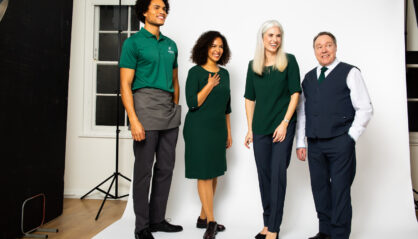
Is Your Hotel Uniform Ready for the EU’s New Sustainability Rules? A Guide to Sustainable Hotel Uniforms
Hotel uniforms are ready for new EU sustainability rules when each garment is backed by product-level data on fibre composition, sourcing, durability and end-of-use, so hotel groups that build this evidence now will be best placed as CSRD, ESPR and the Digital Product Passport take effect. A hotel uniform contract may look operational, but it […]
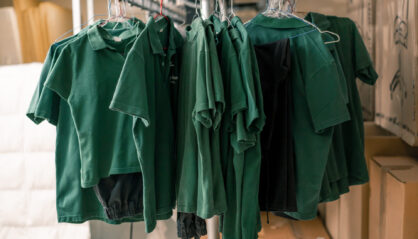
Can Better Uniforms Improve Hospitality Staff Retention? The Role of Hospitality Uniforms in Employee Experience
Better hospitality uniforms can support staff retention by removing a daily source of friction, although pay, progression, management and workload also shape labour turnover. A hotel employee may spend an entire shift adjusting a restrictive waistband, coping with excess heat or working without the pockets needed for basic tasks. That makes the question “Can Better […]

What Does a Uniform Programme Say About a Retailer’s Sustainability Commitments?
A Uniform Programme Is Evidence of How a Retailer Operates A uniform programme shows whether a retailer’s sustainability commitments work in practice or exist only as policy. When stores span several regions, uniforms become a recurring test of whether corporate sustainability policies work in everyday operations. Judging that means looking beyond sustainable uniforms to the […]
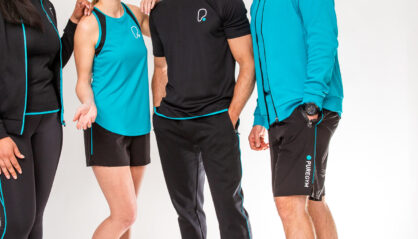
How Do Multi-Site Retailers Keep Retail Uniform Standards Consistent Across Every Location?
Why Uniform Consistency Is an Operational Standard Multi-site retailers keep retail uniforms consistent by treating them as an operational standard, because a garment is only as consistent as the ordering, stock and quality processes behind it. A retail uniform may look consistent at launch, yet differences soon emerge between stores, roles and regions. The practical […]
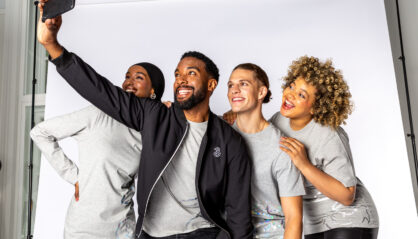
Why Retail Teams Outgrow Off-the-Shelf Uniforms
When Off-the-Shelf Uniforms Stop Supporting Growth Catalogue garments offer a practical, low-commitment starting point when a retailer has a small team and straightforward requirements. Retail teams usually outgrow off-the-shelf uniforms because operational complexity increases, not because ready-made clothing is inherently the wrong choice. More stores, territories, roles, seasonal peaks and wearer needs turn simple purchasing […]
How Do Luxury Houses Choose a Partner for Bespoke Uniforms When Brand Standards Are Non-Negotiable?
Why Uniforms Are Part of the Luxury Brand Experience Uniforms are part of the luxury brand experience because your people make brand standards visible in every customer interaction. A beautifully controlled boutique can lose credibility when its employees wear inconsistent, uncomfortable or visibly tired garments. For senior teams asking how luxury houses choose a uniform […]
