Climate-Responsive Custom Uniform Design for Travel and Tourism Workforces

Climate-responsive uniform design means matching fabric, layering and fit to the conditions a workforce actually faces, rather than issuing identical garments across every climate and role. Jermyn Street Design (JSD) is a custom uniform designer with 45 years of bespoke manufacturing heritage, and it builds adaptable travel uniforms that protect wearer comfort, brand consistency and lifecycle value across international operations. Delivery support reaches 80+ countries, with programmes designed to clothe workforces of 1,000+ uniformed employees, so uniform design decisions are grounded in real climate and role-specific needs instead of a standard seasonal catalogue. Request a free consultation about climate-responsive uniforms for travel and tourism workforces today.
Trusted by Complex, International Workforces
JSD earns trust from procurement, brand and sustainability stakeholders through credentials that speak to all three at once. It is B Corp certified, applies its Green Thread Sustainability programme across every stage of a uniform’s life, and takes a sustainable by design approach that is preparing early for EU Digital Product Passport requirements. Under its published Net-Zero goals, JSD is working toward sourcing at least 65% of garments from sustainable materials, methods and sources by 2027, with traceability and end-of-life solutions across its product range targeted for the same year. Behind every programme sits responsible sourcing and an end-to-end managed service — design, sourcing, distribution, repair and stock control — run by one accountable partner rather than a chain of subcontractors.
Travel Uniform Services Built Around Real-World Conditions
As a custom uniform designer and uniform supplier, JSD works across aviation, rail, hospitality and tourism, producing aviation uniforms and railway uniforms alongside hospitality uniforms and other travel workwear for guest-facing teams and back-of-house staff alike. Every programme brings together uniform design, wearer research, ethical manufacturing and practical lifecycle planning.
Work typically starts with climate and role assessment: JSD maps temperature, rainfall, humidity, indoor conditions, mobility and role-specific demands against the same core factors — air temperature, radiant heat, humidity and air movement — that UK HSE’s thermal comfort checklist uses to flag workplace risk, so garment decisions reflect how a job is actually worked rather than how a sample looks on a rail. Custom collection design comes next, coordinating garments so one visual identity holds together while still giving practical choices across climates, duties and markets. Fabric and layering strategy draws on breathable and sustainable options — recycled polyester uniforms, organic cotton uniforms and bamboo blends among them, the same choices behind JSD’s sustainable airline uniforms — plus weather protection and a flexible layering system for shifting seasons and shift patterns. A layering system pairs a moisture-wicking base layer with an insulating mid layer and a weatherproof outer layer, letting wearers add or remove pieces as conditions change through a shift. Inclusive fit development depends on prototype development and wearer trials with a genuinely representative group, testing movement, confidence and comfort across different body shapes. Stock and lifecycle management then ties sourcing, stock management, repair, uniform recycling and responsible end-of-life routes into one system, taking the operational complexity out of running a global programme.
Standardising on durability, repairability and responsible sourcing lets procurement teams manage replacement demand rather than judging value on unit price alone. Total cost of ownership is the combined cost of a uniform programme across design, replacement, laundering, repair and disposal, not the purchase price on its own — and this is where a business gains real visibility over the life of a contract.
From Sub-Zero Operations to Warm-Weather Guest Service
JSD has built bespoke all-weather ranges for sub-zero conditions, taking its uniform design work into extreme cold-climate workwear as well as warm-weather, guest-facing collections. This experience shows up in practice on JSD’s Great Western Railway uniform programme, where zip-in coat linings were added to the outerwear range after wearer trials flagged cold platform waits as a recurring complaint — a concrete example of exposure data feeding directly into garment specification, and the reason an Operations Director should judge uniform performance against actual exposure rather than a standard seasonal catalogue.
A single travel uniform can move between outdoor transfers, platforms, terminals, guest-facing spaces and back-of-house environments within one shift. Technical fabric options, recycled polyester among them where it is appropriate and properly validated, need to deliver local performance without diluting brand recognition.
Why One Design Does Not Fit Every Market
Keeping one global visual identity does not mean issuing identical garments in every market of a custom uniform programme. JSD translates core colours, silhouettes and personalisation standards into wardrobes that flex for climate, work patterns and local operating conditions.
Global brand, local performance stays intact through approved variations that preserve recognition while addressing different temperatures, rainfall and working environments. Wearer wellbeing by design drives garment engineering for long, physically varied shifts, building in movement, inclusive fit and thermal comfort from the outset. Durability and repairability stretch useful garment life through material choices, construction methods and clear repair routes. Supply chain accountability sits within JSD’s Green Thread Sustainability programme, which underpins responsible material choices, supply chain traceability and readiness for the EU Digital Product Passport. Operational rollout planning covers sizing, stock profiles, wearer communications and phased issue plans that keep launch disruption down. One accountable partner pulls all of this together: full-service support for effortless uniform management, from design and sourcing to repair, distribution and ongoing programme control.
A specialist in travel and tourism uniforms knows how to balance local operating requirements against consistent international brand standards.
Design for Culture, Comfort and Confidence
Good wearer research covers cultural considerations, modesty preferences, inclusive sizing, functional features and role-appropriate presentation. Prototype reviews turn these requirements into measurable design decisions instead of late-stage fixes.
Drawing on 45 years’ experience, JSD builds staff engagement into the development process itself, so teams can see how their feedback shaped the finished collection. Offering choice within an approved wardrobe tends to lift acceptance and confidence without letting brand presentation fragment.
Proven Capability for High-Volume Uniform Programmes
JSD’s bespoke manufacturing and programme expertise trace back to 1981, and the business has since dressed more than 350,000 people in custom uniforms while picking up 36 major industry awards. Being B Corp certified backs up a credible sustainability proposition, and managed-service capability now spans more than 80 countries. JSD leads across hospitality, transport, travel, automotive, retail, services and utilities, running custom uniform programmes built on a wardrobe-based approach suited to varied climates, roles and wearer preferences. High-volume programmes need more than good garment design — they need one controlled specification and a service model that stays dependable long after launch, which is where these capabilities matter most.
How the JSD Uniform Design Process Works
1. Discover
JSD brings the Head of Procurement, Operations Director, Brand Director, HR Director and sustainability stakeholders together around workforce profiles, climate exposure, budgets and service priorities. Agreeing this early cuts down on later revisions and gives every decision a clear operational basis.
2. Design and Test
Designers work up concepts, sustainable fabrics, personalisation details, prototypes and fit samples. Wearer trials shape a collection that is inclusively designed for wearer wellbeing, testing movement, thermal comfort and role suitability along the way.
3. Plan the Programme
JSD finalises specifications, sourcing, size profiles, stockholding and rollout schedules against operational deadlines. Buyers get one defined route from approved design through to production, rather than juggling disconnected suppliers.
4. Launch with Control
Coordinated garment issue, communications and implementation support help each wearer group move into the new wardrobe smoothly. Phased launches protect service continuity across shifts, departments and markets.
5. Manage for the Long Term
Ongoing stock control, repair, refresh planning and lifecycle support keep a programme running well after launch. Request a free consultation to talk through requirements, governance and likely project scope.
Service Coverage and Delivery Support
JSD runs international programmes out of its London design studio, backed by a delivery model that covers more than 80 countries. Discovery workshops, virtual design reviews, wearer trials and coordinated on-site rollout support are all available depending on what a programme needs.
Scheduling accounts for shift patterns, cultural considerations, seasonal deadlines, stock needs and multi-market governance. Contact JSD to arrange an initial consultation and work out the right mix of virtual and on-site support.
Frequently Asked Questions
How Much Does Climate-Responsive Uniform Design Cost?
Cost depends on workforce size, garment count, climate zones, fabric performance, customisation, sampling and production quantities. JSD gives a tailored quotation once a design consultation has established the operational scope.
What Does a Climate-Responsive Uniform Design Engagement Include?
A typical engagement runs from workforce and climate assessment through role-based garment planning, fabric and layering recommendations, design concepts, sizing reviews, prototypes and revisions. JSD then produces production-ready specifications alongside a fitting managed-service plan.
How Should We Choose a Climate-Responsive Uniform Provider?
Look for relevant travel and tourism experience, climate-adapted fabric knowledge, inclusive sizing, sound testing methods, production capacity and ongoing support. A capable provider should also be able to explain traceability, repair routes, stock management and lifecycle costs in plain terms.
What Are the Main Project Stages, and How Long Do They Take?
A custom uniform programme typically runs 13 to 38 weeks in total: research and design takes 2 to 6 weeks, development and wearer trials 2 to 13 weeks, and manufacture and shipping 8 to 16 weeks, with rollout usually taking a further 1 to 3 weeks before ongoing management begins.
How Does JSD Support Sustainability and Supply Chain Traceability?
JSD’s Green Thread Sustainability programme covers material choices, supply chain traceability and end-of-life routes, drawing on recycled polyester, organic cotton and bamboo blends where they meet performance needs. It also supports readiness for the EU Digital Product Passport under the Ecodesign for Sustainable Products Regulation (ESPR), whose textiles-specific delegated act is expected around 2027, with mandatory compliance anticipated from 2028 onward — giving procurement teams a clear line of sight from raw material through to garment retirement.
How Are Guest-Facing and Back-of-House Roles Designed Differently?
Guest-facing roles typically call for stronger brand presentation, refined silhouettes and fabrics that hold their finish through a long, visible shift, while back-of-house roles put durability, freedom of movement and practical features such as pockets and reinforced seams first. A wardrobe-based approach lets both groups share one core identity while each wears garments suited to what their role genuinely demands.
Create a Travel Uniform Programme That Performs Everywhere
JSD brings together climate-responsive design, inclusive fit, responsible sourcing and managed service to help complex workforces look consistent and feel prepared, wherever they operate. Call +44 20 8563 5000, request a free consultation or submit the contact form to discuss your programme with a JSD specialist.
More Articles

Is Your Hotel Uniform Ready for the EU’s New Sustainability Rules? A Guide to Sustainable Hotel Uniforms
Hotel uniforms are ready for new EU sustainability rules when each garment is backed by product-level data on fibre composition, sourcing, durability and end-of-use, so hotel groups that build this evidence now will be best placed as CSRD, ESPR and the Digital Product Passport take effect. A hotel uniform contract may look operational, but it […]

Can Better Uniforms Improve Hospitality Staff Retention? The Role of Hospitality Uniforms in Employee Experience
Better hospitality uniforms can support staff retention by removing a daily source of friction, although pay, progression, management and workload also shape labour turnover. A hotel employee may spend an entire shift adjusting a restrictive waistband, coping with excess heat or working without the pockets needed for basic tasks. That makes the question “Can Better […]

Do Your Guests Judge Your Brand Before They Reach the Front Desk? How Hotel Uniforms Shape First Impressions
The Guest Experience Starts Before Reception The guest experience starts at the kerb, the entrance or the first staff interaction, well before check-in. Every step of the arrival sequence shapes brand perception before a guest reaches the front desk, and hotel uniforms are one of the most visible parts of that sequence. Guests start forming […]

What Does a Uniform Programme Say About a Retailer’s Sustainability Commitments?
A Uniform Programme Is Evidence of How a Retailer Operates A uniform programme shows whether a retailer’s sustainability commitments work in practice or exist only as policy. When stores span several regions, uniforms become a recurring test of whether corporate sustainability policies work in everyday operations. Judging that means looking beyond sustainable uniforms to the […]
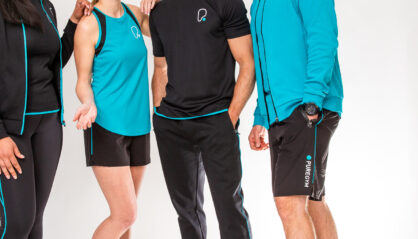
How Do Multi-Site Retailers Keep Retail Uniform Standards Consistent Across Every Location?
Why Uniform Consistency Is an Operational Standard Multi-site retailers keep retail uniforms consistent by treating them as an operational standard, because a garment is only as consistent as the ordering, stock and quality processes behind it. A retail uniform may look consistent at launch, yet differences soon emerge between stores, roles and regions. The practical […]

Why Retail Teams Outgrow Off-the-Shelf Uniforms
When Off-the-Shelf Uniforms Stop Supporting Growth Catalogue garments offer a practical, low-commitment starting point when a retailer has a small team and straightforward requirements. Retail teams usually outgrow off-the-shelf uniforms because operational complexity increases, not because ready-made clothing is inherently the wrong choice. More stores, territories, roles, seasonal peaks and wearer needs turn simple purchasing […]
