How One Supplier Across 80+ Countries Elevates the Visitor Experience Through Uniform Design
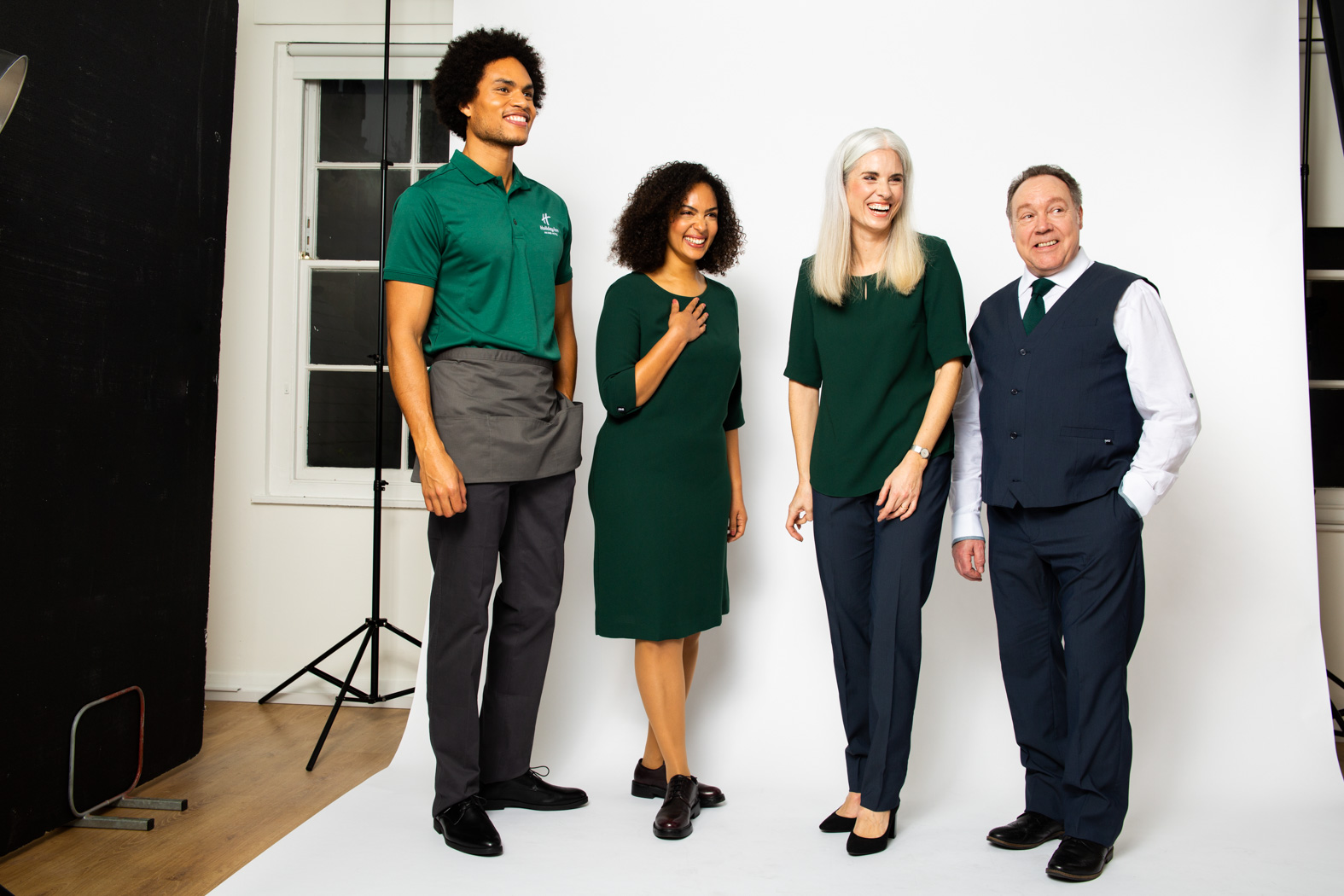
A single global uniform supplier improves the visitor experience by giving one accountable partner control over design, sourcing, fit and repair, so presentation stays consistent wherever a brand operates. A visitor usually judges an operation before a single word is exchanged, and staff appearance often carries that judgement. In discussions around how uniform design can elevate the visitor experience, the real issue is not clothing alone but how a uniform system shapes trust, clarity and service at scale. This article explains why uniforms matter, what a single-supplier model solves, and how to design a travel staff uniforms programme that improves guest experience in practical terms.
Why Uniforms Matter to the Visitor Experience
Uniforms matter to the visitor experience because appearance is the fastest signal of professionalism and competence a customer-facing team can send. Guests form first impressions almost instantly: a widely cited study found that a 100-millisecond glimpse of a face was enough for people to form stable trait judgements, which is why a consistent, deliberate presentation matters so much for frontline staff. For travel and tourism organisations, uniforms are one element of a wider customer experience, helping visitors identify frontline teams quickly while reinforcing a consistent brand identity across every stage of the journey.
A well-managed service makes uniforms part of brand identity, not a procurement afterthought. When presentation is consistent across teams, uniform consistency improves guest trust and role clarity by making staff easier to recognise and approach across locations and touchpoints, which supports smoother wayfinding and help-seeking in busy environments.
This brand consistency helps visitors recognise the organisation and understand service roles across locations, even when teams operate in different environments.
The Human Wayfinding Effect
Uniforms function as human wayfinding because visitors often look for people before they look for maps. In aviation, stations and busy lobbies, a disciplined colour palette, visible branding and role-specific trims reduce cognitive effort in environments where noise, stress and time pressure make static wayfinding less effective.
Clear visual hierarchy matters most when the visitor cannot pause to interpret information. A concierge, cabin crew and check-in colleague should be recognisable at a glance, because each second of hesitation increases friction at the exact moment service should feel seamless.
Brand Experience at Every Touchpoint
Uniforms carry brand experience at every touchpoint because they reinforce brand values through silhouette, fabric performance and finish, communicating premium, friendly or practical positioning even before staff speak. This is as true of transport uniforms as it is of aviation uniforms: the brand is experienced physically, through movement, waiting and service recovery.
Consistency between customer-facing and operational teams prevents mixed messages. If one team looks polished and another looks improvised, customers and visitors infer uneven standards across the whole organisation.
What One Supplier Across 80+ Countries Really Solves
A single supplier model is a managed service covering design, sourcing, compliance and delivery under one accountable partner, which is where many international programmes fail when they are split across several vendors. With 45 years experience across sectors and global work in travel and tourism, JSD shows why governance matters as much as aesthetics when brands operate across more than 80 countries.
Single-source control improves colour matching, specification discipline and garment performance because fewer handovers mean fewer interpretations. That matters commercially because durability, repairability, and responsible sourcing as standard are only meaningful if they are delivered consistently, not promised inconsistently across regions.
Full-service support for effortless uniform management; from design and sourcing to repair, gives organisations one coordinated route through the uniform lifecycle. This integrated approach helps protect design intent, simplify replenishment and keep garments presentable across regions, rather than treating repairs and replacements as separate tasks.
JSD’s Global Travel and Tourism Clients
JSD’s travel staff uniforms clients span rail, aviation, cruise and travel-agency programmes, each with its own wearer needs and operating conditions. Programmes involving Trailfinders, Eurostar, Great Western Railway, Carnival P&O and Titan Airways illustrate the operational complexity of travel staff uniforms across multiple wearer groups, spanning airline uniforms, railway uniforms and cruise crew uniform ranges alike. These brands operate in environments where timing, safety, visibility and presentation all affect visitor confidence, so uniform inconsistency quickly becomes an operational issue rather than a styling issue.
JSD’s perspective also carries weight because it is B Corp certified and works from a model that links design decisions to lifecycle outcomes. That combination matters for senior decision-makers and procurement teams who need proof that brand standards can coexist with responsible sourcing and long-term cost control.
Consistency Without Losing Local Relevance
The strongest global programmes use a core range with modular local options, such as outerwear, headwear or modesty pieces. This structure preserves a recognisable visual identity while allowing climate, cultural expectations and fit preferences to be handled intelligently rather than through ad hoc exceptions.
A defined palette and trim system keeps local garments unmistakably on-brand. Local relevance should refine the system, not dilute it.
Operational Benefits Visitors Actually Feel
Visitors notice the consequences of stock management even if they never see the back-end process. Fewer stock-outs and sizing gaps mean fewer underprepared new starters, fewer mismatched garments and a more stable frontline presence.
Faster onboarding also improves the guest experience because new colleagues look ready from day one. Presentation consistency reassures visitors that the operation is controlled, especially during peak travel periods.
Step-by-Step: Designing a Uniform System That Improves Visitor Experience
The best uniform programmes start with wearer wellbeing and visitor journeys, not sketches, because design only works when it reduces friction at real service moments. A robust specification then translates those moments into measurable requirements for visibility, comfort, laundering, safety and brand expression.
Step 1: Map Visitor Moments That Need Clarity
Arrival, check-in, security, concourse navigation, complaints handling and accessibility support all create different visibility needs. Mapping where visitors hesitate, queue or ask for help shows where role clarity matters most and where uniform design can remove uncertainty.
This approach prevents generic solutions. A strong design system recognises that the same brand may need different signals for reassurance, authority or approachability at different stages of the journey.
Step 2: Translate Brand Into Wearable Design Rules
A uniform style guide should define palette, trim hierarchy, badge typography and logo placement with the same discipline used in architectural signage. That matters because wearable brand rules stop local improvisation from eroding recognition over time.
The guide should also define what not to do. If security and concierge teams look too similar, the brand creates confusion at the exact point it needs confidence.
Step 3: Engineer for Comfort and Real-World Work
Performance begins with inclusive fit, movement and climate suitability, not runway styling. A proper specification should cover stretch, breathability, lining choices, seam strength and task-based movement such as reaching, bending, lifting and walking long distances.
Climate adaptability should be built into the specification from the outset, with breathable fabrics, insulation options, moisture management and adaptable layering selected for the conditions in each operating region and role. This helps staff remain comfortable and presentable across changing temperatures, humidity levels and indoor-outdoor transitions, allowing visitors to experience consistent service standards wherever they travel.
Comfort affects behaviour as much as appearance. The UK Health and Safety Executive recognises that clothing and uniforms can have a significant impact on workers’ thermal comfort, particularly where staff cannot adapt what they wear. It recommends selecting designs and materials that improve comfort and allow for layering where appropriate. Engineering garments for comfort and function therefore supports consistent wear in practice rather than relying on policy alone.
Step 4: Validate With Wear Trials and Visitor Feedback
Wear trials across roles, regions and body types reveal whether the design survives real work and repeated laundering. Visitor comprehension checks are equally important because a uniform that staff like but visitors cannot decode has failed one of its main jobs.
Change control should follow testing, not precede it. Once a specification is locked, every later adjustment needs governance so quality does not drift.
Design Elements That Most Improve Visitor Confidence
The design elements that most improve visitor confidence are instant role differentiation, strong readability and a coherent visual hierarchy, all disciplined by a single colour palette. End-to-end uniform management supports that outcome because design intent only survives if production, replenishment and presentation standards are controlled together.
Colour, Contrast and Recognition
High-contrast trims and disciplined colour blocking help people identify the right person quickly without abandoning core brand standards. This is especially important in crowded terminals and platforms where distance, glare and movement reduce the usefulness of subtle detail.
Colour control also needs technical discipline. Tight dye-lot management prevents near-match variance across countries, which protects recognition and avoids the impression of declining standards.
Materials and Finish: Premium Without Fragility
Fabrics should hold shape, resist pilling and retain colour through repeated laundering because tired garments undermine trust. Premium appearance only works when it survives operational reality, which is why material choice should be judged over months of wear rather than at launch.
Different tailoring by role also improves consistency. Cabin crew, holiday reps, drivers and management need distinct solutions to maintain an on-brand look while supporting the work each role actually performs.
Inclusive Design and Wearer Wellbeing: The Hidden Driver of Better Service
Inclusive design is a uniform system built around multiple fit blocks, sizing and style choices so every wearer, regardless of body shape or personal need, can present the brand confidently. Inclusively designed for wearer wellbeing is not a soft benefit but a service variable: comfort, fit and function shape posture, confidence and willingness to engage, which means better uniforms often produce better service before any training intervention takes effect.
Inclusive Fit at Scale
Global programmes need multiple fit blocks, inclusive sizing and alternatives such as trousers, skirts, layers, modesty options and accessible fastenings. This reduces off-spec workarounds that make teams look inconsistent and often leave wearers feeling excluded.
Climate-sensitive construction also matters. Unlined and lined options should be chosen by role and region so staff can maintain standards without overheating or restricting movement.
Wearer Pride and Service Behaviour
Wearer wellbeing influences service delivery because employees who feel comfortable and supported at work are more likely to be engaged in their roles. For customer-facing teams, comfortable, well-designed uniforms can help remove barriers to consistent performance throughout the working day. That is a practical reason to treat fit and choice architecture as operational design, not employee perk.
Uniform pride also improves grooming consistency. When people value what they wear, they are more likely to present it well.
Sustainability and Lifecycle Management Without Compromising Experience
Sustainability and lifecycle management now sit inside the visitor experience, not apart from it, because the condition and longevity of customer-facing uniforms influence how consistently a brand is presented over time. JSD’s own Green Thread Sustainability programme is built on this principle: uniforms are sustainable by design when durability, repairability and responsible sourcing are specified from the outset rather than retrofitted. For travel and tourism organisations operating across multiple locations, maintaining high standards of garment quality, appearance and replacement planning helps reinforce a professional, trusted experience while reducing unnecessary waste and replacement cycles. As the European Commission continues to promote high-quality, sustainable tourism, lifecycle management has become an operational consideration that supports visitor confidence as well as environmental performance.
Designing for Longevity
Abrasion resistance, seam strength and colourfastness matter most in high-contact roles where garments are washed frequently and used hard. Modular components such as badges, scarves and epaulettes allow visual refresh without full replacement, which supports both cost control and appearance consistency.
Traceability and Compliance
Traceability and compliance are becoming more important as EU Digital Product Passport readiness moves from concept to expectation. Under the Ecodesign for Sustainable Products Regulation working plan, textiles and apparel are named as a priority product group, with a delegated act for textiles expected around 2027 and mandatory compliance anticipated from 2028 onward; the exact scope and dates are not yet settled law. Consistent material declarations, care instructions, SKU tracking and batch records support audits, recalls and continuous improvement across regions.
Rollout and Governance Across Regions: Keeping the Experience Consistent
A global uniform programme succeeds when approvals, exceptions and change requests are governed centrally but implemented pragmatically. This balance protects operations because phased rollouts reduce disruption while central data improves forecasting, replenishment and quality control.
Managing Stock and Sizing at Scale
Demand planning should reflect role, season and location rather than broad annual averages. Service-level targets for replenishment and alterations help prevent shortages that leave teams partially dressed or visibly inconsistent.
Effective SKU management gives each approved garment, size, colour and regional variant a clear place in the assortment, making it easier to forecast demand and identify slow-moving or at-risk stock. When SKU data is linked to wearer roles and locations, teams can replenish the right items quickly without expanding the range unnecessarily.
Quality Control Across Multiple Countries
QC checklists should standardise measurements, stitching, branding placement and colour tolerance in every market. Regular factory and supplier audits prevent specification drift, which is often the hidden cause of uneven visitor experience across territories.
Regular factory audits should reinforce these checks by reviewing production processes, working conditions, material traceability and corrective actions before garments reach frontline teams.
Common Mistakes That Undermine Visitor Experience and How to Avoid Them
The most common mistakes that undermine the visitor experience are limited wearer engagement, inconsistent fit, insufficient consideration of local markets, poor laundering resilience and fragmented rollout planning. While these issues may appear minor individually, together they create operational friction that affects staff confidence, brand consistency and the visitor experience.
Mistake: Designing for Photos, Not Shifts
A design can look impressive in launch imagery and still fail on a 10-hour shift. Wear trials, laundry testing, pocketing, breathability and movement analysis expose whether the garment supports work or only appearance.
Mistake: Multiple Suppliers, Multiple Interpretations
Multiple suppliers often mean multiple readings of the same brief, which creates variation in trims, fabrics and fit. A single source of truth for specifications and approved equivalents reduces inconsistency before it reaches the frontline.
Conclusion: The Uniform as a Scalable Visitor Experience Tool
The uniform works as a scalable visitor experience tool because it shapes guest experience by improving trust, recognition and service clarity at the moments visitors feel most uncertain. A single supplier model, backed by full-service support for effortless uniform management from design and sourcing to repair, gives organisations a practical way to protect standards across countries, climates and teams. Organisations weighing up a single-supplier switch can talk to JSD about a travel staff uniforms programme to see how the process maps onto their own rollout.
Key Takeaways to Apply Immediately
Map visitor friction points first, then design role signals that reduce hesitation. Lock a global style guide, technical specification and change-control process early, because consistent delivery matters as much as creative design.
FAQs
How Do Uniforms Improve the Visitor Experience?
Uniforms improve the visitor experience by making staff easy to identify, signalling role and authority at a glance, and reinforcing brand trust before a word is exchanged. This reduces friction at arrival, check-in, navigation and support points, where visitors are most likely to hesitate or need help, and it gives frontline teams a consistent, professional presence across every touchpoint.
What Makes Good Travel Staff Uniforms?
Good travel staff uniforms combine a brand-aligned look with clear role differentiation, comfort for long shifts and durable fabrics that survive frequent laundering. Inclusive fit options, strong colour matching across garments, and specification discipline around climate adaptability and moisture management all matter as much as the initial design concept, because a uniform is judged on months of wear, not launch day.
How Do You Keep Uniforms Consistent Across Multiple Countries?
Consistency across countries comes from a global style guide and performance specification, with trims, colour standards and approvals controlled centrally through a single supplier. Modular localisation, such as regional outerwear or climate-adapted fabrics, lets local teams stay comfortable without diluting the brand, while tight dye-lot management keeps colour matching accurate wherever a garment is manufactured or worn.
What Are the Most Common Uniform Programme Mistakes?
The most common uniform programme mistakes include prioritising appearance over wearer comfort, overlooking inclusive fit, underestimating rollout planning and relying on multiple suppliers, each interpreting the same brief differently. An experienced travel staff uniforms provider helps maintain brand consistency, improve stock management and deliver a coherent uniform programme across every location, region and climate.
How Can Uniforms Support Sustainability Without Looking Worn?
Uniforms support sustainability without looking worn when durable materials, repairable components and planned refresh points are specified from the outset rather than added later. Traceability of materials and batch records helps maintain quality while supporting compliance with emerging regulation such as the EU’s Digital Product Passport, and modular parts like badges or trims allow a visual refresh without full replacement.
More Articles

Is Your Hotel Uniform Ready for the EU’s New Sustainability Rules? A Guide to Sustainable Hotel Uniforms
Hotel uniforms are ready for new EU sustainability rules when each garment is backed by product-level data on fibre composition, sourcing, durability and end-of-use, so hotel groups that build this evidence now will be best placed as CSRD, ESPR and the Digital Product Passport take effect. A hotel uniform contract may look operational, but it […]

Can Better Uniforms Improve Hospitality Staff Retention? The Role of Hospitality Uniforms in Employee Experience
Better hospitality uniforms can support staff retention by removing a daily source of friction, although pay, progression, management and workload also shape labour turnover. A hotel employee may spend an entire shift adjusting a restrictive waistband, coping with excess heat or working without the pockets needed for basic tasks. That makes the question “Can Better […]

Do Your Guests Judge Your Brand Before They Reach the Front Desk? How Hotel Uniforms Shape First Impressions
The Guest Experience Starts Before Reception The guest experience starts at the kerb, the entrance or the first staff interaction, well before check-in. Every step of the arrival sequence shapes brand perception before a guest reaches the front desk, and hotel uniforms are one of the most visible parts of that sequence. Guests start forming […]

What Does a Uniform Programme Say About a Retailer’s Sustainability Commitments?
A Uniform Programme Is Evidence of How a Retailer Operates A uniform programme shows whether a retailer’s sustainability commitments work in practice or exist only as policy. When stores span several regions, uniforms become a recurring test of whether corporate sustainability policies work in everyday operations. Judging that means looking beyond sustainable uniforms to the […]
How Do Multi-Site Retailers Keep Retail Uniform Standards Consistent Across Every Location?
Why Uniform Consistency Is an Operational Standard Multi-site retailers keep retail uniforms consistent by treating them as an operational standard, because a garment is only as consistent as the ordering, stock and quality processes behind it. A retail uniform may look consistent at launch, yet differences soon emerge between stores, roles and regions. The practical […]

Why Retail Teams Outgrow Off-the-Shelf Uniforms
When Off-the-Shelf Uniforms Stop Supporting Growth Catalogue garments offer a practical, low-commitment starting point when a retailer has a small team and straightforward requirements. Retail teams usually outgrow off-the-shelf uniforms because operational complexity increases, not because ready-made clothing is inherently the wrong choice. More stores, territories, roles, seasonal peaks and wearer needs turn simple purchasing […]
