Climate-Smart Uniforms: Designing for Europe’s Varied Weather Conditions

In Europe, the weather is never just background noise. It is a daily reality that influences how people live, travel, and work. For businesses, it also directly affects the way staff uniforms are designed, supplied, and worn. From sudden downpours in the UK to heatwaves in Spain or freezing winters in Scandinavia, the continent’s varied climate places unique demands on staff clothing.
The pace of climate change is intensifying these challenges. Record-breaking temperatures, volatile rainfall, and harsher winters mean that the traditional “one-size-fits-all” approach to uniforms is no longer sustainable. Employees need clothing that adapts to the conditions they face while supporting health, safety, and performance. This is the foundation of climate-smart uniforms.
At Jermyn Street Design (JSD), we believe that uniforms should do more than present a polished appearance. They must protect, adapt, and last. Climate-smart solutions combine technical fabrics, ergonomic design, and sustainable sourcing to create eco-friendly uniforms that meet the realities of today’s Europe. For employers, investing in weather-responsive workwear safeguards staff wellbeing, enhances performance, and supports ESG commitments.
Essentially, designing climate-smart uniforms for European companies isn’t just about style nowadays. It’s about weathering the storm, literally.
Weather as a Driver of Uniform Design
The weather is not just a background factor; it has become a key driver in the way businesses design and procure staff uniforms. Across Europe, employers are having to rethink uniforms in response to rising climate volatility. According to the European Environment Agency, the continent is experiencing more frequent heatwaves, heavier rainfall events, and longer periods of drought, all of which create unique challenges for staff comfort and safety.
For employees, the consequences of poorly designed uniforms in extreme weather can be severe. Overheating during hot spells can lead to dehydration, fatigue, and reduced productivity. Prolonged exposure to rain or wind without adequate protection can increase the risk of illness and discomfort, especially for outdoor workers. In colder climates, inadequate layering can cause hypothermia or increase workplace accidents due to reduced mobility.
For employers, these risks translate into higher absenteeism, reduced morale, and reputational damage. A workforce that looks uncomfortable, soaked, or overheated in front of customers does not reflect well on a brand. In fact, research shows that well-designed uniforms can increase employee happiness, showing a direct link between clothing, wellbeing, and productivity.
Weather also plays into broader sustainability and compliance goals. As the EU rolls out stricter frameworks such as the Ecodesign for Sustainable Products Regulation (ESPR), companies are under pressure to design uniforms that last longer, perform better in variable conditions, and create less waste. A climate-smart approach that prioritises durability and adaptability directly supports these obligations.
In short, weather has become a strategic consideration for uniform programmes. Climate-smart uniforms are no longer a luxury; they are an essential investment for any business operating across Europe’s diverse climates.
Regional Weather Realities: Designing for Diversity
Europe is a patchwork of climates, and no single uniform solution can serve every country or region. Designing climate-smart uniforms means tailoring solutions to local weather realities.
The United Kingdom: Damp, Cool, and Unpredictable
The UK’s weather is famously unpredictable, shaped by its oceanic climate. Average temperatures range between 0°C in winter and 25°C in summer, but rain is a constant feature. For workers, this means uniforms must provide reliable protection from wet and windy conditions without becoming stuffy or restrictive.
Waterproof, windproof outer layers are essential, ideally combined with breathable membranes like GORE-TEX that let moisture escape while keeping rain out. Layering is also key — lightweight fleece or insulated mid-layers allow staff to adapt quickly as temperatures shift throughout the day.
France: From Alpine Cold to Mediterranean Heat
France spans three distinct climate zones: oceanic in the west, continental in the east, and Mediterranean in the south. Uniform strategies therefore need to be modular and adaptable. In the Alps, insulated and weatherproof garments are essential, while hotel staff on the Riviera require lightweight, breathable fabrics that maintain a polished look in the heat.
Layered uniforms (for example, combining base thermals, smart blazers, and removable outer shells) work well across the country. This approach also aligns with French cultural preferences for layering in fashion.
Spain: Extreme Contrasts Between North and South
Spain is Europe’s most climatically diverse country, with 13 Köppen climate types. In the south and centre, summer temperatures frequently exceed 40°C, demanding uniforms that are breathable, moisture-wicking, and UV protective. In contrast, the north experiences frequent rain and cooler temperatures, meaning waterproof jackets and insulating layers are a must.
A dual-track approach is therefore best: lightweight, cooling uniforms for southern regions, and weather-resistant, layered garments for northern and mountain areas. This strategy reflects the reality that a single national uniform policy will not work across Spain.
The Nordics: Long Winters and Short Summers
The Nordic countries face some of Europe’s harshest weather, with winter temperatures regularly plunging below -20°C. Uniforms here must be built around a layer-on-layer system, including moisture-wicking base layers (often merino wool), insulating mid-layers, and windproof, waterproof outer shells.
These principles are already embedded in professional uniforms such as the Norwegian Armed Forces’ M23 combat uniform, which integrates multiple layers into a coherent system. Businesses in this region can learn from such approaches to keep staff safe, warm, and mobile throughout long winters.
Fabrics and Technologies for Weather Adaptation
Designing climate-smart uniforms is not only about regional tailoring — it also depends on the fabrics and technologies chosen. Advances in textile science now make it possible to build uniforms that actively respond to weather conditions.
Waterproof and Breathable Membranes
Technologies like GORE-TEX® Professional Fabrics provide durable waterproofing while remaining breathable, preventing staff from overheating in damp climates such as the UK or northern France. Laminates such as WINDSTOPPER® block windchill, while THERMIUM® insulation delivers warmth without bulk — ideal for Nordic winters.
Heat-Regulating Smart Textiles
Outlast® technology, originally developed for NASA, uses phase-change materials to absorb, store, and release heat, keeping wearers comfortable across fluctuating temperatures. This proactive regulation helps reduce sweating by up to 48%. Such fabrics are ideal for southern Spain or busy hospitality environments where staff move between hot kitchens and cooler service areas.
UV-Protective and Moisture-Wicking Fabrics
For hot climates, uniforms must manage both heat and sun exposure. Moisture-wicking fabrics draw sweat away from the skin, while UV-blocking textiles reduce harmful radiation exposure. Many sportswear-derived fabrics, now adapted for professional use, provide this dual benefit.
Durability and Abrasion Resistance
Extreme weather can shorten the lifespan of garments, making durability a vital climate-smart feature. CORDURA® fabrics, known for their resistance to tears and abrasions, extend uniform life significantly. The newer CORDURA re/cor™ line, made from recycled materials, demonstrates how durability and sustainability can go hand in hand.
Sustainable Dyeing and Production
Weather-adaptive uniforms also need sustainable production methods. Solution-dyed polyester, for example, colours fibres at pellet stage, reducing water usage by up to 75% and CO₂ emissions by 30% compared to conventional dyeing.
Sustainable Approaches to Climate-Smart Uniforms
Weather resilience and sustainability are deeply interconnected. A uniform that withstands rain, wind, heat, or cold for longer periods reduces the need for frequent replacements, lowering both costs and environmental impact. In this sense, durability is sustainability.
Durability Reduces Waste
Uniforms designed for long-term use halve the resources required over their lifetime. A jacket that lasts five years instead of two avoids multiple production cycles, cutting raw material use, transport emissions, and landfill waste.
Sustainable Fabrics That Still Perform in Weather Extremes
Recycled polyester, organic cotton, and regenerated fibres like Econyl are increasingly used in climate-smart uniforms. These sustainable fabrics provide breathability, insulation, or waterproofing depending on need, while reducing reliance on virgin resources.
For example, bamboo blends offer natural breathability and antibacterial qualities, making them suitable for hot climates, while hemp’s UV resistance and durability make it a smart option for sunny but tough conditions.
Circular Economy Solutions
A truly climate-smart uniform strategy considers the full garment lifecycle. Take-back and recycling schemes prevent old uniforms from ending up in landfill and instead convert them into new fibres or repurposed products. This approach is gaining momentum across Europe, supported by national policies like France’s AGEC law and Spain’s Extended Producer Responsibility scheme for textiles.
Aligning with EU Regulations
Uniform strategies must also reflect regulatory change. Initiatives like the EU’s ESPR and CSRD require companies to prove how they are minimising environmental impact throughout their supply chains. Climate-smart uniforms, with their emphasis on durability and weather resilience, align neatly with these obligations, providing businesses with both compliance and reputational benefits.
Designing with Weather Resilience in Mind
Weather-adaptive uniforms are not just about fabrics; they require a design philosophy that prioritises flexibility, comfort, and protection.
Layering Systems
A modular, layered approach allows employees to adapt their clothing throughout the day. Base layers regulate moisture, mid-layers add insulation, and outer shells provide weatherproofing. This system is particularly effective in climates with wide daily temperature swings, such as the UK or continental France.
Seasonal Rotations
Many companies now offer seasonal uniform variations, ensuring staff are equipped for both heatwaves and cold snaps. For example, lightweight short-sleeved options in summer and insulated jackets in winter. This approach improves employee comfort while extending garment lifespans by reducing overuse.
Ergonomic Considerations
Weather resilience must not come at the cost of mobility. Stretch fabrics, articulated knees, and ergonomic cuts ensure staff can move freely, even when wearing multiple layers. For outdoor workers, reflective trims, high-visibility features, and bright colours also improve safety in low-light winter conditions.
Industry-Specific Examples
- Hospitality: Resort staff in Spain need breathable, UV-protective uniforms for poolside service, while Alpine hotels require insulated yet elegant attire.
- Transport: Drivers and ground crew in the UK benefit from waterproof, high-visibility jackets with ventilation panels.
- Healthcare: Nordic healthcare professionals need antimicrobial, insulated scrubs layered with lightweight jackets for patient transport in freezing conditions.
JSD’s Approach: Weather-Smart, Sustainable, and B Corp Certified
At Jermyn Street Design, we understand that uniforms are a frontline defence against Europe’s varied weather. Our bespoke design process integrates climate-smart thinking from the start.
- Custom solutions for climate: We design uniforms that meet the exact weather challenges of your sector and geography, whether it’s waterproof layers for UK transport staff or breathable fabrics for Mediterranean hospitality teams.
- Sustainability at the core: As a B Corp certified supplier, we use independently verified sustainable practices, from recycled fabrics to ethical sourcing.
- Proven craftsmanship: Our uniforms combine durability with comfort and style, ensuring they remain functional and professional despite harsh conditions.
- Lifecycle services: From recycling take-back schemes to designing for durability, we help clients meet ESG and regulatory obligations while reducing textile waste.
By combining climate adaptation with sustainability and craftsmanship, JSD positions uniforms as strategic assets that protect staff, enhance brand perception, and support long-term ESG goals.
Frequently Asked Questions about Climate-Smart Uniforms
Q: What makes a uniform climate-smart?
A: A climate-smart uniform is designed to protect staff against local weather conditions using fabrics like waterproof membranes, UV-protective textiles, and heat-regulating smart fabrics, while also being durable and sustainable.
Q: How do climate-smart uniforms improve sustainability?
A: Durable, weather-adaptive garments reduce replacement cycles, cutting waste and emissions. Recycled and organic fabrics further reduce environmental impact, aligning with EU initiatives such as ESPR and WRAP Textiles 2030.
Q: Can uniforms be both stylish and weather-resistant?
A: Yes. Modern textiles allow for sleek designs that maintain brand identity while offering high performance. For example, breathable blazers for hot climates or insulated jackets with tailored cuts for cold regions.
Q: Are climate-smart uniforms more expensive?
A: Initial costs may be higher, but durability and lower replacement rates make them more cost-effective in the long run. They also help companies meet ESG goals and avoid reputational risks.
Q: How can businesses manage uniforms across multiple climates?
A: Partnering with a specialist like JSD allows companies to implement modular designs, seasonal rotations, and region-specific solutions that maintain brand consistency across Europe.
Weatherproof Your Workforce
Europe’s weather is diverse, unpredictable, and increasingly extreme. From rain-lashed Britain to sun-soaked Spain and frozen Nordic winters, every region demands uniforms that perform under pressure. Businesses that invest in climate-smart uniforms not only protect their staff but also demonstrate foresight, responsibility, and commitment to sustainability.
At Jermyn Street Design, we believe uniforms should be more than functional; they should be climate-resilient, ethically made, and tailored to the realities of your workforce.
Want to find out how climate-smart uniforms can help your business? Contact JSD today.
More Articles

Rail Uniforms and Brand Identity for Passenger Trust
In an industry where reliability, safety and service are constantly scrutinised, workwear plays a surprisingly influential role in shaping public perception. Within the wider discussion around Brand Identity on the Platform: How Rail Operators Use Uniforms to Win Passenger Confidence, uniforms matter because they turn brand promises into visible proof before customer service begins. This […]

What Will Define the Next Generation of Sustainable Workwear in Europe?
The next generation of sustainable workwear in Europe is being shaped by a set of powerful and interconnected forces. EU regulation is tightening, material innovation is accelerating, supply chains are being rethought, and expectations from both employees and stakeholders are evolving. For organisations managing large-scale uniform programmes, the material and supplier decisions made now will […]

How Do Automotive Uniforms Reflect the Industry’s Shift Toward Innovation and Sustainability?
Automotive uniforms are no longer restricted to the likes of branded polos and workshop coveralls. As the sector navigates the transition to electric vehicles, tightening ESG requirements, and a fundamental shift to a more experience-led customer journey, sustainable workwear has moved from an optional extra to a central consideration. At Jermyn Street Design (JSD), we […]
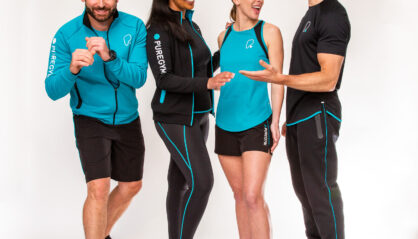
What Does ‘Fit for Purpose’ Really Mean in Sustainable Gym Uniform Design?
The UK health and fitness sector has grown substantially in recent years. According to the ukactive UK Health & Fitness Market Report 2025, annual revenue across the sector exceeded £5.7 billion in 2024 (an increase of 8.8% compared to the previous year), with 11.5 million people holding gym memberships across 5,607 facilities. For gyms and […]

How do sustainable uniforms influence employee retention and engagement?
Employee retention in large, customer-facing teams is shaped by daily experience more than policy statements. Pay, scheduling, leadership, and progression all matter, yet employees also assess whether their working environment has been designed with care. One of the most consistent signals in that assessment is the uniform they wear for most of their shift. Sustainable […]

What will procurement teams expect from an ethical uniform supplier in 2026?
In 2026, procurement teams are no longer persuaded by well-worded sustainability statements or high-level ethical commitments. They are looking for an ethical uniform partner who can evidence responsible practice across ethical workwear programmes with clarity, structure, and operational discipline, but also with a genuine understanding of the people who will ultimately wear the garments. The […]
