How Do Luxury Houses Choose a Partner for Bespoke Uniforms When Brand Standards Are Non-Negotiable?
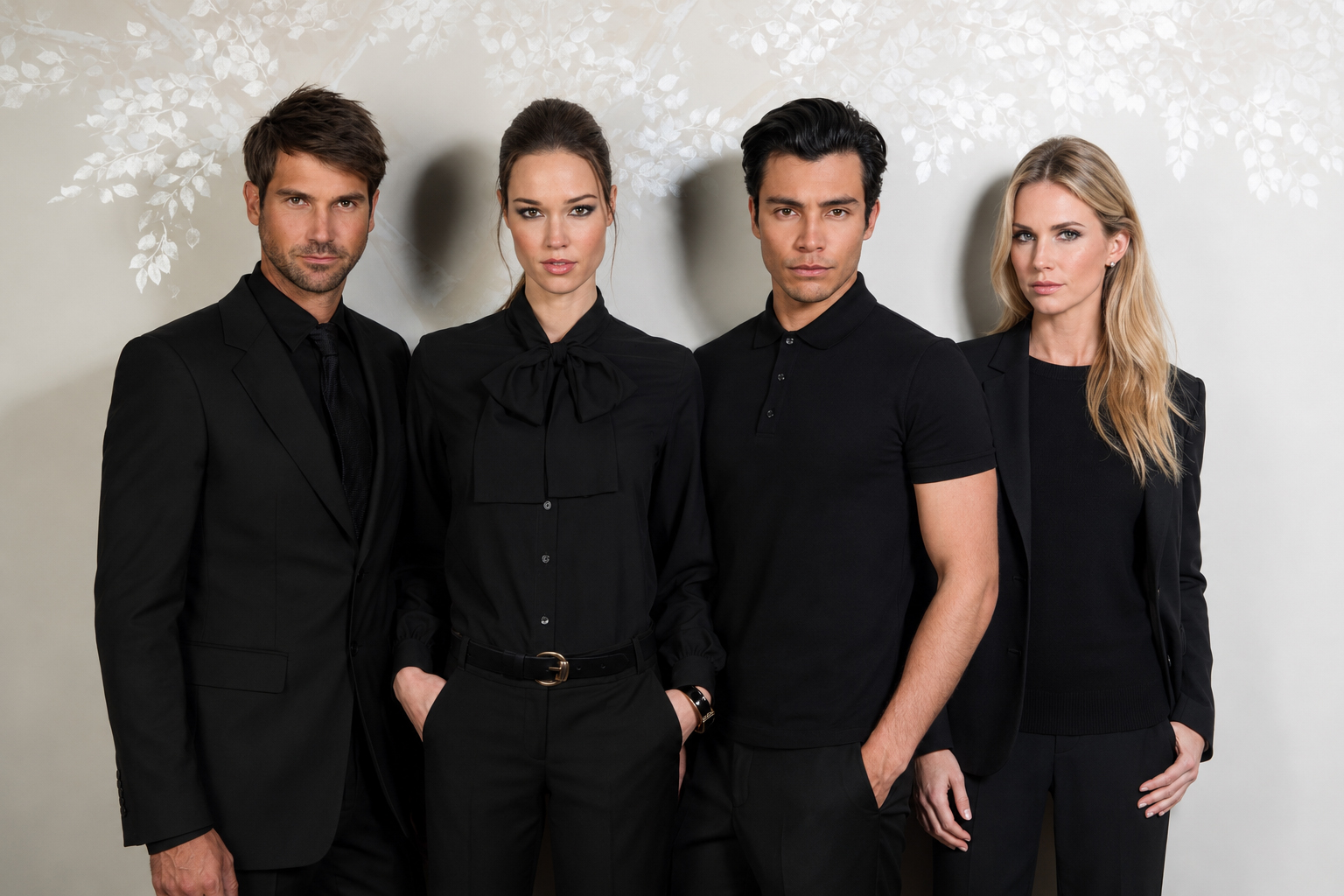
Why Uniforms Are Part of the Luxury Brand Experience
Uniforms are part of the luxury brand experience because your people make brand standards visible in every customer interaction.
A beautifully controlled boutique can lose credibility when its employees wear inconsistent, uncomfortable or visibly tired garments. For senior teams asking how luxury houses choose a uniform supplier when brand standards are non-negotiable, the answer begins with treating clothing as a brand asset rather than a purchasing category defined by unit cost.
In luxury retail and beauty retail, clients interpret cut, fabric, grooming, finish and consistency as evidence of quality, discretion and attention to detail. Effective brand alignment therefore connects staff uniform design with luxury brand marketing, formal brand guidelines and practical design requirements.
The challenge is translating brand identity and brand personality into bespoke uniforms that work across long shifts, climates, body shapes, roles and international markets without compromising the standards customers expect.
With nearly 45 years’ experience, we combine creative expertise with the operational knowledge required to manage complex global uniform programmes. Across retail, hospitality, travel, transport, leisure, automotive, utilities and services, we have seen how different working environments influence fit, fabric, function, fulfilment and long-term programme performance.
How Does Staff Uniform Design Influence Customer Experience?
That same principle applies to staff uniforms across customer-facing retail environments: consistency can strengthen a good service experience, but it also makes poor service more clearly attributable to the organisation.
Front-of-house teams, beauty advisors, concierge, retail specialists and managers make the brand tangible before a client tests a product or receives a consultation. A 2020 Journal of Applied Social Psychology study shows that uniforms can strengthen the connection customers make between an individual employee and the wider organisation, reinforcing the role of staff uniform design in communicating brand identity, brand personality and attention to detail across the retail environment.
Strong staff uniform design creates visual brand consistency across these customer touchpoints. Poor fit can restrict movement and undermine confidence, while premature fading, abrasion or inconsistent garments can disrupt an otherwise carefully controlled premium environment.
For luxury houses, the uniform therefore needs to work as part of the wider customer experience while remaining practical enough for employees to wear comfortably throughout the working day.
What Should Luxury Brands Look for in a Uniform Supplier?
The right uniform supplier protects the brand from the first design idea through to production, rollout and long-term service.
Before inviting design proposals, luxury houses should document the operational standards and brand requirements that the uniform programme must protect. The brief should define brand personality, target customer, colour palette, service model, role hierarchy, regional requirements, expected garment lifespan and measurable presentation standards.
Fixed brand codes might include proportion, signature colours, characteristic details and levels of formality. Adaptable elements may include sleeve length, layering, climate options, modesty requirements and role-specific functions, provided the underlying visual language remains recognisable.
A B Corp certified partner may also support wider responsible-business objectives. Our B Corp certification, however, should complement rather than replace garment-level evidence. Procurement teams still need proof that design, materials, manufacturing, quality control and ongoing service can meet the house’s practical and creative requirements.
How Should a Uniform Supplier Translate Brand Guidelines Into Bespoke Uniforms?
For luxury retail uniform design, abstract ideas such as heritage, craftsmanship, modernity or quiet confidence need to become specific rules governing silhouette, colour palette, fabric selection, trim selection, tailoring and finishing.
A strong uniform supplier should translate these brand guidelines into a coherent wardrobe architecture rather than developing attractive garments in isolation. Core design codes can remain consistent while individual pieces respond to the needs of different roles and wearers.
This is where specialist uniform design UK expertise becomes important. Successful programmes combine creative interpretation with garment engineering and practical workplace knowledge so that the original design concept remains achievable at scale.
Who Should Be Involved in Choosing a Luxury Uniform Partner?
Procurement, brand, operations, HR and finance all have different priorities. Procurement needs supply reliability and commercial value, brand teams protect visual equity, operations require dependable performance, HR needs comfort and inclusive fit, and finance needs visibility of long-term programme costs.
A shared approval framework should assess fit, appearance, durability, service, quality and price. This prevents short-term purchasing decisions from creating avoidable alterations, replacement demand, wearer dissatisfaction or inconsistent presentation later.
What Makes Good Bespoke Uniforms for Luxury Retail and Beauty Teams?
Good bespoke uniforms have to do two things at once: feel unmistakably on-brand and work properly for the people wearing them.
For bespoke retail uniforms and bespoke beauty uniforms, that means balancing a premium visual language with movement, care, climate and role-specific requirements from the outset.
Strong bespoke uniforms begin with workplace discovery rather than a mood board. Designers need to understand how employees stand, reach, sit, carry products, replenish stock, provide consultations and interact with clients before developing credible staff uniform design.
A capable supplier should create a wardrobe architecture that works across customer-facing, management, specialist and back-of-house teams. Fully bespoke pieces can also sit alongside carefully selected complementary garments where complete customisation is unnecessary.
For buyers researching uniform design UK, visual sophistication should therefore be only one selection criterion. The partner must connect creative direction with garment engineering, inclusive fit, global sourcing, production discipline and repeatable quality.
Why Are Wearer Trials Important When Designing Bespoke Uniforms?
Wearer trials show you what a sample room cannot: how a proposed uniform actually feels and performs on the job.
Concepts should progress into a technical specification, prototype, fitting sample and controlled wearer trials before final approval.
A formal specification review should assess movement, opacity, pocket position, temperature management, fabric feel, care performance and appearance during real working conditions. These are practical considerations that sketches and showroom samples cannot establish reliably.
Wearer trials also allow design teams to identify recurring fit or functional problems before production, helping protect both wearer experience and the approved visual standard.
How Can Luxury Uniforms Protect Brand Identity Without Looking Like Costume?
The best luxury uniforms feel like the brand without looking like a costume.
Luxury uniforms should express brand identity without competing with the employee or customer experience. Controlled proportions, subtle branding, disciplined colour placement and carefully considered trims can often communicate a house’s visual language more effectively than conspicuous decoration.
The objective is brand alignment rather than imitation. Employees should look unmistakably part of the brand while still feeling natural, credible and comfortable in what they wear.
What Should Luxury Brands Look for in Fabric Selection, Trim Selection and Tailoring?
Fabric, trims and tailoring all need to look right and stand up to real working life.
Fabric selection should balance hand feel, drape and appearance with breathability, colour retention, abrasion resistance, care requirements, durability and continuity of supply. A fabric may look luxurious when new but prove unsuitable if it bags at the knees, traps heat or changes shade after repeated cleaning.
Trim selection also matters. Buttons, fastenings, zips, linings and other details need to maintain the approved aesthetic while performing reliably over the expected garment lifespan.
The quality of tailoring is equally important because seam construction, proportion, shaping and finishing influence both presentation and longevity. Buyers should review testing evidence, wash trials, worn prototypes and approved samples rather than making decisions from swatches alone.
How Should Luxury Uniforms Be Specified for Real Working Conditions?
Specify the uniform around the job, not the sample room.
Role analysis should consider standing, reaching, consultation, stock handling, travel, temperature changes and laundering frequency. Makeup, fragrance, daylight and intensive wear can expose weaknesses that remain invisible in a sample room.
You can see how different those requirements can be in our work for Gucci Beauty and Liz Earle. The briefs were different, but both depended on translating a creative idea into garments that worked for the people actually wearing them. Our design and development process uses end-wearer research, fabrics and trims, sampling and wearer trials before production, helping the technical specification reflect real working conditions.
How Can Luxury Brands Make Staff Uniforms More Sustainable?
Sustainable by design means considering material impact, durability, repairability, responsible sourcing and end-of-use from the start.
Responsible fabric selection, global sourcing, durability and repairability can help garments remain in use for longer, reducing unnecessary replacement while supporting continuity and more responsible lifecycle management.
Our Green Thread Sustainability approach applies that thinking across the workwear lifecycle, from design and sourcing through manufacture, distribution, garment care and end-of-life planning. For us, durability, repairability and responsible sourcing are part of the design brief, not post-launch add-ons.
Responsible sourcing should also extend beyond fibre choice. Luxury brands should ask for evidence covering manufacturing standards, traceability, chemical controls, supply chain governance, repair and end-of-life options.
Where wider environmental and social governance matters to the brief, you may also want to consider whether a partner is B Corp certified. Our B Corp certification provides independently assessed evidence at organisational level, while garment-level scrutiny remains essential.
Traceability is also becoming more important under the EU Ecodesign for Sustainable Products Regulation (ESPR). Textiles are a priority product group under the ESPR working plan, but textile-specific EU Digital Product Passport requirements still need to be set through a future delegated act. That makes accurate product data and traceability sensible preparation, rather than a claim that a settled textile DPP compliance date already exists.
Why Does Inclusive Fit Matter in Luxury Retail and Beauty Uniforms?
Inclusive fit matters because the uniform has to work for the whole workforce, not just the sample size.
A fit block is the base pattern used to build a size range. Inclusive fit may require more than one block, plus practical alteration, maternity and accessibility pathways, rather than simply grading one sample proportion up and down.
An elevated visual identity is credible only when every employee can obtain a comfortable, flattering and functional fit. Buyers should assess size ranges, different fit blocks, alteration pathways, maternity options, adaptive requirements and the dignity and privacy of fitting processes.
For us, designing inclusively for wearer wellbeing means developing garments around workforce variation rather than scaling one sample proportion up and down.
Strong inclusive fit supports wearer wellbeing, movement, confidence and presentation consistency. It can also reduce avoidable alterations, rejected garments and repeat orders, helping operational and brand requirements work together.
How Should Luxury Brands Test Uniform Fit Across Their Workforce?
Wearer trials should represent relevant roles, body shapes, ages, gender identities and markets rather than relying on a narrow sample group.
Structured feedback should assess movement, temperature, fabric feel, modesty, care, pocket functionality and professional confidence. Trial findings should then be recorded against defined acceptance criteria and incorporated into the specification review.
This gives design teams evidence to resolve genuine functional issues without allowing isolated preferences to dilute the approved design.
How Do Luxury Brands Maintain Brand Consistency Across Global Locations?
Keep one central set of specifications, approved samples, colour standards and quality checks, then control local adaptations carefully.
Luxury beauty and retail programmes require detailed technical specifications, approved samples, colour standards, inspection procedures and documented defect-resolution routes. Brand consistency must survive repeat orders, production-site changes, supplier disruption and international fulfilment.
A robust quality control process should explain how fabrics, trims, measurements and construction details will be controlled across production cycles.
Colour matching becomes particularly important where signature shades form part of the brand’s visual identity. Even relatively small variations can become noticeable when employees from different production batches work alongside one another.
Why Are Approved Samples Important in Luxury Uniform Production?
Approved samples, measurement tolerances and documented construction criteria convert subjective preferences into repeatable production controls.
They establish a single source of truth for future manufacturing and replenishment, helping protect brand standards when garments are reordered months or years after the original launch.
This control becomes particularly important for colour matching, trims, proportions and finishing details that carry strong visual significance for luxury houses.
Can One Uniform Programme Work Across Different Countries?
Yes, provided localisation is carefully controlled. One uniform system can preserve core proportions, colours, fabrics and finishing while accommodating climate, cultural expectations, local sizing and operational requirements.
Effective global sourcing and programme governance allow a luxury house to adapt where necessary without allowing individual territories to create disconnected versions of the brand.
For international luxury retail and beauty retail, this balance between global brand consistency and local practicality is one of the most important capabilities to assess in a prospective uniform partner.
How Do You Roll Out a Luxury Uniform Programme Across Multiple Countries?
A multi-country rollout is as much an operations job as a design job.
Product approval does not prove that a supplier can deliver successfully at scale. Luxury brands should assess sourcing resilience, production capacity, stock management, fulfilment, governance, contingency planning and international distribution before awarding a programme.
Strong rollout planning connects wearer data, sizing, ordering, production and logistics with the agreed launch schedule. It should also anticipate regional lead times, customs requirements, seasonal differences and the possibility of unexpected demand.
A comprehensive managed service then connects these operational requirements with the original creative vision, maintaining accountability from design and sourcing through to replenishment, repair and end-of-use.
What Should a Luxury Uniform Rollout Plan Include?
A rollout plan should spell out who gets what, when and where, and what happens when something goes wrong.
Effective rollout planning should cover wearer data, sizing, ordering, fittings, manager communications, phased distribution, contingency stock and launch-day support.
For international programmes, the plan should also establish who is responsible for each stage and how exceptions will be escalated. Testing these processes before full deployment helps identify fit, logistics or stock problems while there is still time to resolve them.
How Should Stock Management and Replenishment Work?
Good stock management is less about holding lots of garments and more about holding the right ones in the right places.
Stock management should reflect how the workforce actually uses the programme. Role, location, sizing profiles, replacement rates, seasonal demand and lead times all influence what needs to be held and where.
Reporting should provide visibility of shortages, issue rates, repair volumes, regional demand and excess inventory before these become service problems.
For luxury brands, this is also a question of brand consistency. Unavailable garments should not force individual locations into uncontrolled substitutions that undermine the approved wardrobe.
What Is the Total Cost of Ownership of a Luxury Uniform Programme?
The cheapest garment is not always the cheapest programme.
The initial garment price represents only part of the commercial picture. Total cost of ownership should include administration, alterations, replacements, repairs, logistics, replenishment, obsolete stock, emergency freight and end-of-life management.
Investing in appropriate fabric selection, durability, inclusive fit, accurate forecasting and effective stock management can therefore influence costs well beyond the initial purchase.
For procurement teams, comparing suppliers on total programme value rather than unit price provides a more meaningful assessment of how the uniform will perform throughout its working life.
Why Does a Luxury Uniform Programme Need a Long-Term Managed Service?
Luxury standards need to be protected after launch. Effective lifecycle management should include controlled replenishment, repair, quality reviews, replacement, stock management and responsible end-of-life handling.
For us, full-service support for effortless uniform management means joining up design and sourcing with replenishment, repair, stock control and responsible end-of-use, rather than treating those as separate procurement tasks.
With nearly 45 years’ experience managing complex uniform programmes, we know the work does not stop at launch. Products, workforces, regulations and demand continue to change, so maintaining quality requires ongoing specialist programme management.
A service-level agreement can establish measurable expectations for areas such as garment availability, lead times, delivery accuracy, defect rates and response to exceptions. This gives both the client and uniform supplier a clear framework for maintaining agreed operational standards.
How Should Luxury Brands Measure Uniform Programme Performance?
Regular programme reviews should combine wearer feedback, operational data, quality findings and brand-team observations.
This allows fit, fabric, stock or production drift to be identified early enough for evidence-led correction. Lifecycle management reviews should also examine repairability, garment longevity, responsible sourcing, replacement demand and supply chain risk.
The objective is to ensure the programme continues meeting both brand and operational requirements rather than assuming performance remains unchanged after launch.
What Mistakes Can Damage Luxury Uniform Brand Standards?
The biggest problems usually start with price-led selection, weak testing, incomplete specifications or treating the operational side as an afterthought.
Selecting a supplier primarily on lowest unit price, approving designs from sketches alone, conducting inadequate wearer trials and working without a robust technical specification can all create avoidable compromises.
Treating sizing, repairability, replenishment, international distribution and lifecycle management as post-design administration simply postpones important decisions.
The strongest uniform partner combines brand interpretation, garment engineering, quality control, responsible sourcing, wearer wellbeing and scalable managed service. This protects the original design intent by considering how every garment will be produced, worn, maintained, replenished and eventually replaced.
What Should Be Included in a Luxury Uniform Supplier Selection Checklist?
Luxury retail and beauty teams should evaluate sector experience, brand alignment, bespoke design capability, prototyping, inclusive fit, wearer trials, fabric and trim performance, quality control, responsible sourcing, global sourcing, rollout planning, stock management and lifecycle management.
| Selection area | Evidence to request |
|---|---|
| Brand and design | Brand-guideline interpretation, colour matching, approved samples and a controlled technical specification. |
| Wearer performance | Representative wearer trials, inclusive fit routes, movement checks, care trials and documented specification review. |
| Supply and quality | Global sourcing controls, quality control, stock management, contingency planning and clear service-level agreement measures. |
| Lifecycle and value | Durability, repairability, responsible sourcing, lifecycle management and total cost of ownership reporting. |
Evidence from comparable programmes should carry more weight than presentations or untested promises.
Ultimately, the right uniform supplier needs to demonstrate that its creative and operational model can maintain the same standards across different people, roles, production cycles, locations and international markets.
Frequently Asked Questions
These are some of the practical questions luxury retail and beauty teams should ask when assessing a uniform partner.
What Should Luxury Brands Look for in a Bespoke Uniform Supplier?
Look for proven luxury-sector experience, bespoke uniforms expertise, inclusive fit, wearer trials, tailoring, quality control, responsible sourcing and international delivery capability. The right uniform supplier should protect brand standards while keeping garments comfortable, durable and consistent across roles and locations.
How Do Luxury Brands Maintain Brand Consistency Across Global Uniform Programmes?
Global brand consistency starts with controlled technical specifications, approved samples, colour matching, quality control, global sourcing and centralised programme management. Local fit, climate and operational requirements can then be adapted without losing the approved brand identity.
How Does Staff Uniform Design Strengthen a Luxury Retail or Beauty Brand?
Effective staff uniform design translates brand identity and brand personality into the customer experience through colour, silhouette, fabric selection, tailoring and detail. Well-designed bespoke uniforms can also support wearer wellbeing and confidence, helping retail and beauty teams represent the brand consistently throughout the working day.
When Should Procurement Involve a Uniform Partner?
Bring a uniform partner in before the brief is locked. Early input on fabric availability, fit strategy, wearer trials, technical specification, global sourcing and rollout planning can prevent creative decisions becoming expensive operational problems later.
How Should Luxury Brands Compare Uniform Suppliers on Cost?
Compare total cost of ownership rather than unit price alone. Include alterations, replacements, repairs, logistics, stock, emergency freight and end-of-life management so procurement can see which solution offers the strongest value across the life of the programme.
What Does EU Digital Product Passport Readiness Mean for Uniform Programmes?
For textiles, readiness currently means building accurate product data and traceability rather than claiming compliance with a final textile-specific DPP rule. Textiles are prioritised under the ESPR work plan, but the detailed requirements still depend on a future delegated act.
Selecting a luxury uniform partner ultimately means choosing who will interpret and protect the brand through thousands of daily interactions. The strongest partnerships combine bespoke uniforms, specialist design expertise, inclusive fit, wearer wellbeing, quality control, global delivery and long-term managed service, ensuring the original brand vision continues to perform wherever its people work.
If you are comparing partners for bespoke uniforms and want to test your brief against our design, sourcing and managed-service approach, talk to us.
More Articles
Is Your Hotel Uniform Ready for the EU’s New Sustainability Rules? A Guide to Sustainable Hotel Uniforms
Hotel uniforms are ready for new EU sustainability rules when each garment is backed by product-level data on fibre composition, sourcing, durability and end-of-use, so hotel groups that build this evidence now will be best placed as CSRD, ESPR and the Digital Product Passport take effect. A hotel uniform contract may look operational, but it […]
Can Better Uniforms Improve Hospitality Staff Retention? The Role of Hospitality Uniforms in Employee Experience
Better hospitality uniforms can support staff retention by removing a daily source of friction, although pay, progression, management and workload also shape labour turnover. A hotel employee may spend an entire shift adjusting a restrictive waistband, coping with excess heat or working without the pockets needed for basic tasks. That makes the question “Can Better […]
Do Your Guests Judge Your Brand Before They Reach the Front Desk? How Hotel Uniforms Shape First Impressions
The Guest Experience Starts Before Reception The guest experience starts at the kerb, the entrance or the first staff interaction, well before check-in. Every step of the arrival sequence shapes brand perception before a guest reaches the front desk, and hotel uniforms are one of the most visible parts of that sequence. Guests start forming […]

What Does a Uniform Programme Say About a Retailer’s Sustainability Commitments?
A Uniform Programme Is Evidence of How a Retailer Operates A uniform programme shows whether a retailer’s sustainability commitments work in practice or exist only as policy. When stores span several regions, uniforms become a recurring test of whether corporate sustainability policies work in everyday operations. Judging that means looking beyond sustainable uniforms to the […]
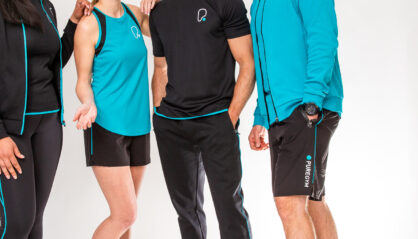
How Do Multi-Site Retailers Keep Retail Uniform Standards Consistent Across Every Location?
Why Uniform Consistency Is an Operational Standard Multi-site retailers keep retail uniforms consistent by treating them as an operational standard, because a garment is only as consistent as the ordering, stock and quality processes behind it. A retail uniform may look consistent at launch, yet differences soon emerge between stores, roles and regions. The practical […]
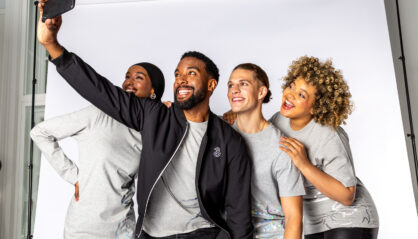
Why Retail Teams Outgrow Off-the-Shelf Uniforms
When Off-the-Shelf Uniforms Stop Supporting Growth Catalogue garments offer a practical, low-commitment starting point when a retailer has a small team and straightforward requirements. Retail teams usually outgrow off-the-shelf uniforms because operational complexity increases, not because ready-made clothing is inherently the wrong choice. More stores, territories, roles, seasonal peaks and wearer needs turn simple purchasing […]
