Inclusive by Design: Railway Uniforms That Fit Every Body
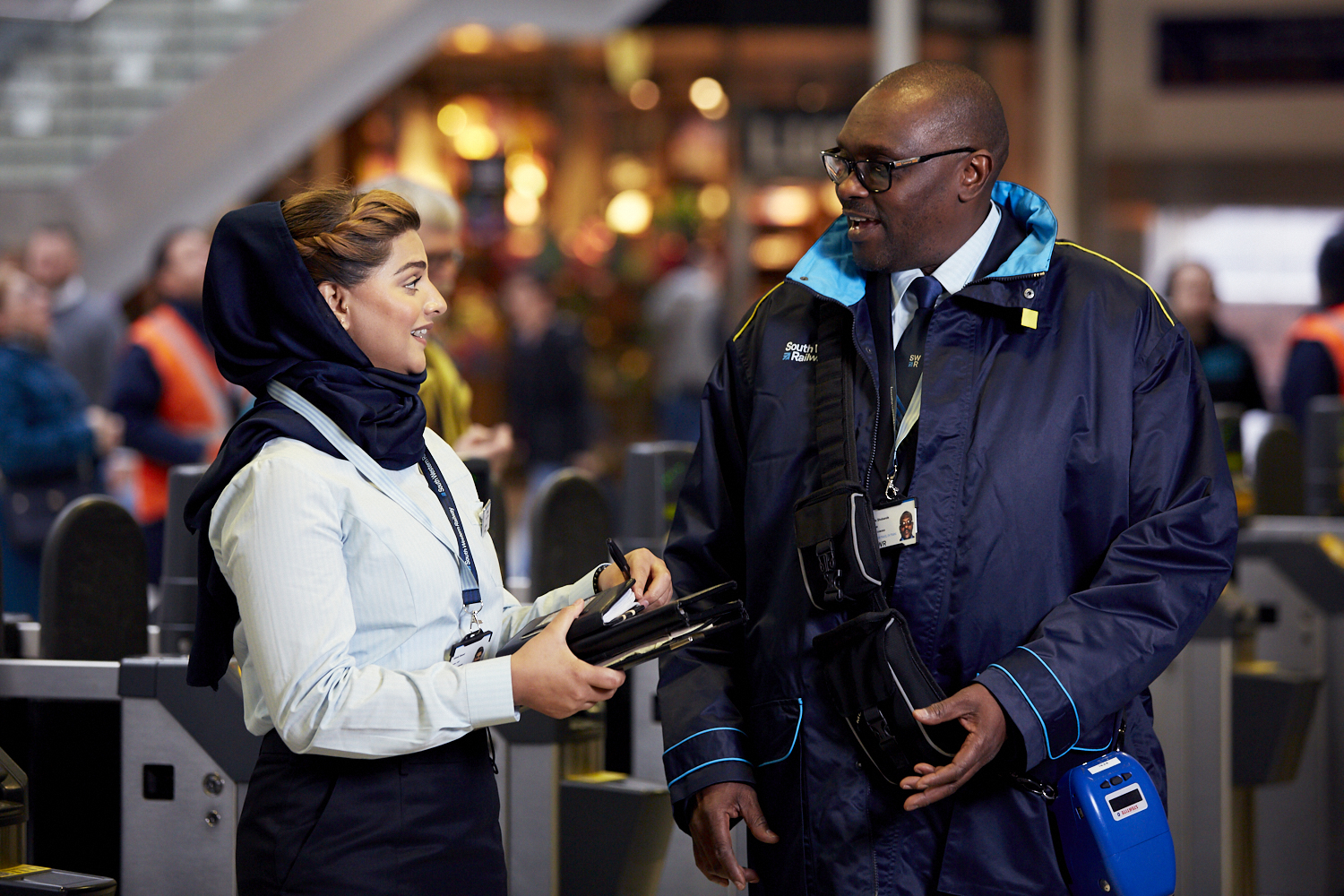
A railway uniform can look sharp in a boardroom review and still fail within the first week on platforms, in cabs and across long shifts. Inclusive by design means building railway uniforms around the full range of bodies, roles and working conditions from the outset, so appearance, safety, comfort, retention and cost control all hold up in service rather than only in the sample room.
For a modern rail workforce, inclusive uniforms are not a soft HR initiative but an operational standard that affects performance at every touchpoint. This article explains where fit fails, how inclusive design works in practice, and how procurement and operations teams can build a uniform system that supports real people at work.
The Real Problem: When “Smart” Uniforms Do Not Work in Service
A uniform that photographs well can still underperform when a rail operator asks people to bend, reach, sit for hours, move through weather shifts and repeat the same task hundreds of times. That gap between presentation and service reality matters because distraction, snag hazards, restricted reach and poor PPE integration all create avoidable operational risk.
The commercial cost is usually hidden in returns, emergency purchases, ad hoc alterations, inconsistent appearance and textile waste, even when the original brief looked controlled. For organisations specifying transport workwear and other frontline uniforms across automotive, hospitality, transport, travel, retail, services and utilities, and focused on disability inclusion and ethical manufacturing, inclusion is essential in ensuring all staff feel comfortable and supported.
Train drivers need seated comfort, thermal balance and garments that do not bunch at the waist or restrict shoulder movement during safety-critical duties. Customer-facing staff, station teams, conductors and onboard teams need a uniform that preserves authority and presentation while accommodating constant movement and the full range of body shapes across mixed rosters.
Fit failure in rail is rarely dramatic at first, which is why it often goes unmanaged until adoption drops. Gapping shirts, pulling across the back, jackets riding up, pressure points at seams and improvised fixes with belts, pins or extra layers all signal a system problem, and Green Thread Sustainability thinking shows that poor fit also drives waste long before a garment reaches end of life.
Define “Inclusive by Design” for Uniforms, Not Just Sizes
Inclusive design means building for diverse needs from the outset rather than treating exceptions later through made-to-orders and workarounds. In uniform terms, that includes body shape, gender expression, disability, faith, pregnancy, menopause and neurodiversity-conscious fabrics and designs, which is why a single size chart or swatch choice never delivers genuine inclusion.
A uniform is a system made up of garments, sizing architecture, alterations policy, ordering routes, replenishment rules and governance over updates. That systems view matters more under sustainability regulations and emerging traceability expectations such as the EU Digital Product Passport, expected to apply to textiles from 2027 under the EU’s Ecodesign for Sustainable Products Regulation, because poor design choices now create both wearer friction and compliance friction later.
Inclusion also protects dignity at moments where people judge an employer quickly, especially onboarding, role changes and redeployments. A rail employer that removes fit anxiety reduces avoidable stress, improves confidence and signals that the JSD ethos of “no one is uniform” is a practical design principle rather than a slogan.
Examples in sustainable workwear are straightforward when teams design beyond a generic unisex block. Multiple fits for one garment type, maternity wear where relevant, accessible fastenings, adjustable waists and inclusive length options all improve first-time fit, and that is more useful than offering more sizes of the wrong shape. Through structured wearer trials and union engagement, a supplier developing inclusive uniforms can deliver a finished design that supports every individual.
Climate variability across rail networks means inclusion must also cover temperature and territory, not just measurements. A coherent layering strategy protects wellbeing by allowing one brand identity to function from depot to platform, across seasons and across roles with very different exposure profiles.
Step 1: Map Wearer Groups, Tasks and Risk Points
Good specification starts with wearer mapping, not fabric swatches. Rail roles differ sharply between driver cabs, platforms, stations, depots, onboard service and engineering teams, so a brief designed for wearer wellbeing must record tasks, posture, exposure and PPE compatibility before design decisions are finalised.
Movement mapping reveals where garments fail under real use. Reaching, bending, stair climbing, kneeling, trolley handling and long seated periods each place stress on different seams, rises, hems and pocket positions, which means one silhouette rarely performs equally well across the whole rail workforce.
Risk mapping should include visibility, anti-static or ESD needs, weather protection and brand-critical touchpoints such as authority cues and wayfinding support. Procurement teams that miss these interfaces often buy visual consistency at the cost of operational consistency, which is the more expensive mistake.
Where a uniform supplier is B Corp certified, that governance mindset can strengthen data capture because social and environmental performance is easier to improve when failure points are measured rather than assumed.
Step 2: Build an Inclusive Fit and Sizing Specification
A workable specification needs to include all sizes, genders and sensory-awareness needs where roles require them. The key principle is simple: sizing must scale realistically across individuals, because durability, repairability and responsible sourcing only deliver value if people can actually wear the garments comfortably.
Multiple fit blocks matter more than headline size count. Straight, tailored, curved and life-stage options reduce dependence on alterations, and length choices for sleeves, inside legs and jacket bodies often solve fit issues more efficiently than carrying endless duplicate SKUs.
Garment engineering is where inclusive intent becomes usable product. With 45 years of experience in complex uniform programmes, Jermyn Street Design understands that darts, gussets, articulated elbows or knees, and careful seam and pocket placement improve mobility and reduce chafe far more effectively than cosmetic pattern changes.
The main procurement trap is treating one unisex block as universally inclusive. In practice, that approach excludes many wearers, while turning alterations into a permanent subsidy for poor design.
For a related sector perspective, designing airline uniforms for every body shows how multi-role fit logic transfers across transport settings.
Step 3: Choose Fabrics and Components for Comfort, Durability and Sustainability
Fabric choice determines whether a uniform remains wearable after repeated laundering and long shifts. Breathability, stretch, abrasion resistance and colour fastness need balancing against responsible sourcing, because a garment that feels good but degrades quickly is neither sustainable nor economical.
Components matter as much as fabric. Reinforced stress points, robust zips, replaceable buttons and trims, and repair-friendly construction all extend life, while consistent brand colour protects visual identity.
Rail-specific performance needs vary by role and territory. Weatherproof layering for platform exposure, early and late shifts, plus anti-static or ESD requirements in certain interfaces, should sit alongside cultural and religious considerations so the range supports both compliance and dignity.
Better fit is one of the simplest waste-reduction tools available. The clothing and textile sector is responsible for an estimated 8 to 10 percent of global carbon emissions, more than international aviation and shipping combined, according to the European Parliament, so fewer returns, less dead stock in rarely used sizes and longer garment life all matter. Lower waste and a lower total cost of ownership are why sustainable design thinking should start with wearability rather than end-of-pipe recycling claims.
For a broader view of materials, technology and future-proofing, read more on the future of rail uniforms, sustainability and innovation.
Step 4: Engage Wearers Early and Test in Real Conditions
Wearer engagement only works when it is structured across roles, locations and body types. High-quality employee feedback gives operations and procurement teams evidence on comfort, mobility and durability, which directly affects morale and retention.
Field testing should include movement trials, wash trials and full shift-length wear trials in live conditions. A garment that passes a fitting room test but fails after eight hours of sitting, walking and temperature change has not met the brief, regardless of how clean the original concept looked.
Fit sessions do not need to disrupt service if they align with shift patterns and site logistics. Privacy-safe measurement processes, clear guidance and scheduled fittings at depots or stations create better data and better adoption than rushed issue days.
Commercially, good looks like higher first-time fit, fewer exchanges, fewer special-order exceptions and fewer informal workarounds. Those outcomes improve compliance and reduce hidden administration, which is why testing should feed directly into pattern, component and size-range revisions.
Step 5: Plan Stock Management and Rollout Like an Operational Change
Uniform rollout should run as a uniform programme, not as a one-off purchase order. A size-inclusive uniform programme needs sizing capture, phased deployment, contingency stock, clear communications and lifecycle management from day one, because the launch phase often creates problems that later get blamed on the garments themselves.
The best ranges reduce stock complexity without reducing inclusion. Data-led size curves, role-based allocation assumptions, length options and built-in adjustability can cover more bodies with fewer stock lines if the sizing architecture is planned properly.
Replenishment rules protect service continuity. Minimum holdings, lead-time controls and critical-size protection prevent the familiar size gaps that force emergency substitutions and undermine brand consistency across locations.
Managed service support solves a governance problem as much as a supply problem. Consistent availability, repair, replacement and lifecycle management keep appearance stable across seasons and sites, which matters for cost control and for maintaining trust in the uniform system over the contract term.
Common Mistakes to Avoid When Specifying Inclusive Railway Uniforms
The first mistake is over-valuing silhouette and under-valuing movement, wash performance and comfort. Rail staff judge uniforms by how they behave in service, so a visually neat garment that rides up, overheats or wears out quickly damages adoption faster than any launch campaign can repair.
The second mistake is assuming unisex means inclusive. It often means average, and average is a poor design strategy for a workforce that spans different heights, shapes, ages, life stages and access needs.
The third mistake is ignoring accessories and interfaces. Belts, trims, accessories and outerwear layers can all create friction or safety issues, especially when they are specified separately from the core garments.
The fourth mistake is weak change management. Poor communications, unclear wear policies and uncontrolled substitutions create long-term cost through exchange rates, non-compliance and colour drift, which is why unit price alone is a misleading procurement metric.
Railway Uniform Examples: What Inclusive by Design Looks Like in Practice
In rail, one brand often has to serve drivers, station teams, onboard teams and operational interfaces without looking fragmented. Experience from a railway uniform supplier working with operators including Great Western Railway and South Western Railway shows that inclusive fit is what makes a shared visual identity credible across different tasks, climates and postures.
One practical model is to keep colour, trim language and authority cues consistent while changing fabric weights, stretch zones, pocket layouts and layering pieces by role. That approach gives drivers seated comfort, station teams weather resilience, and onboard teams mobility, yet still presents one recognisable operator identity.
Inclusion also improves sustainability outcomes when it is designed into the contract rather than added later. Better fit reduces returns and obsolescence, while repairability, controlled updates and stable supply reduce replacement volumes and help maintain measurable performance over time.
Jermyn Street Design’s experience as a B Corp certified supplier of bespoke, ethical workwear (certified in March 2025), with its Green Thread Sustainability approach and long-term managed programmes, adds a useful industry lesson here: sustainable workwear performs best when social inclusion, garment engineering and supply governance are treated as one system.
Frequently Asked Questions
What is the purpose of requiring employees to wear uniforms?
Uniforms support safety, quick role recognition and consistent service standards. They also reinforce brand identity and help employees feel part of one operation. In rail, they signal authority to passengers and make staff easy to find in a crowded station or train.
What are examples of inclusive uniform design?
Examples include multiple fits and lengths, adjustable waists, accessible fastenings, maternity options and choices that respect cultural or religious needs. Good ranges also consider menopause, neurodiversity and comfort across different climates and tasks, rather than relying on a single unisex block.
How does Jermyn Street Design ensure that uniforms are both functional and engaging for employees?
From its London design studio, Jermyn Street Design balances appearance with the real demands of the job for diverse clients around the world. Its approach considers work environment, movement, comfort and durability, and uses structured wearer research and trials so garments support productivity as well as presentation.
What kinds of professionals need to wear uniforms?
Uniforms are common in transport, hospitality, healthcare, utilities and other public-facing services. They matter most where identification, safety compliance and a consistent customer experience are operational priorities.
Are inclusive rail uniforms more expensive than a standard range?
Inclusive design can carry a higher initial specification cost because it involves more fit blocks, wearer trials and length options. That cost is usually offset over the contract by fewer returns, fewer alterations, less dead stock in rarely used sizes and longer garment life, which lowers total cost of ownership. Unit price alone is a misleading way to compare uniform programmes.
Rail uniforms succeed when they are built around the body in motion, not around a static design sketch. For operators managing large, varied teams, inclusive design is the most practical route to safer wear, stronger adoption, lower waste and a brand standard people can maintain every day.
More Articles
Is Your Hotel Uniform Ready for the EU’s New Sustainability Rules? A Guide to Sustainable Hotel Uniforms
Hotel uniforms are ready for new EU sustainability rules when each garment is backed by product-level data on fibre composition, sourcing, durability and end-of-use, so hotel groups that build this evidence now will be best placed as CSRD, ESPR and the Digital Product Passport take effect. A hotel uniform contract may look operational, but it […]
Can Better Uniforms Improve Hospitality Staff Retention? The Role of Hospitality Uniforms in Employee Experience
Better hospitality uniforms can support staff retention by removing a daily source of friction, although pay, progression, management and workload also shape labour turnover. A hotel employee may spend an entire shift adjusting a restrictive waistband, coping with excess heat or working without the pockets needed for basic tasks. That makes the question “Can Better […]
Do Your Guests Judge Your Brand Before They Reach the Front Desk? How Hotel Uniforms Shape First Impressions
The Guest Experience Starts Before Reception The guest experience starts at the kerb, the entrance or the first staff interaction, well before check-in. Every step of the arrival sequence shapes brand perception before a guest reaches the front desk, and hotel uniforms are one of the most visible parts of that sequence. Guests start forming […]

What Does a Uniform Programme Say About a Retailer’s Sustainability Commitments?
A Uniform Programme Is Evidence of How a Retailer Operates A uniform programme shows whether a retailer’s sustainability commitments work in practice or exist only as policy. When stores span several regions, uniforms become a recurring test of whether corporate sustainability policies work in everyday operations. Judging that means looking beyond sustainable uniforms to the […]
How Do Multi-Site Retailers Keep Retail Uniform Standards Consistent Across Every Location?
Why Uniform Consistency Is an Operational Standard Multi-site retailers keep retail uniforms consistent by treating them as an operational standard, because a garment is only as consistent as the ordering, stock and quality processes behind it. A retail uniform may look consistent at launch, yet differences soon emerge between stores, roles and regions. The practical […]

Why Retail Teams Outgrow Off-the-Shelf Uniforms
When Off-the-Shelf Uniforms Stop Supporting Growth Catalogue garments offer a practical, low-commitment starting point when a retailer has a small team and straightforward requirements. Retail teams usually outgrow off-the-shelf uniforms because operational complexity increases, not because ready-made clothing is inherently the wrong choice. More stores, territories, roles, seasonal peaks and wearer needs turn simple purchasing […]
