Rail Uniforms and Brand Identity for Passenger Trust

In an industry where reliability, safety and service are constantly scrutinised, workwear plays a surprisingly influential role in shaping public perception. Within the wider discussion around Brand Identity on the Platform: How Rail Operators Use Uniforms to Win Passenger Confidence, uniforms matter because they turn brand promises into visible proof before customer service begins. This article explains how operators can define confidence, translate values into garments, manage rollout risk, and measure whether the uniform is genuinely improving trust.
Define the Confidence Outcome Before You Design Anything
Passenger confidence is important; it reflects in approach rates, complaint themes, role recognition, perceived platform safety, and how quickly people identify the right member of staff during disruption. The Office of Rail and Road (ORR) and the Rail Safety and Standards Board (RSSB) both operate in a system where compliance, transparency, and public reassurance matter, so rail uniforms should be specified against measurable outcomes.
Uniform objectives should align with brand strategy, whether the operator wants to appear modern, human, premium, regional, or explicitly safety-led. That alignment matters because customer service expectations shift with brand position, and a mismatch between visual identity and behaviour weakens trust faster than most operators expect.
Role mapping is the practical bridge between brand and operations: across the spectrum of rail teams they need different levels of authority, visibility, and mobility. Inclusive design, platform safety, comfort, durability, and maintenance realities are not secondary constraints; they are the conditions that make confidence repeatable at scale, which is why sustainable by design thinking should begin at briefing stage, not after procurement.
Build a Role and Risk Matrix
A role and risk matrix should identify tasks by environment, including trackside, platform, onboard, depot, and interchange spaces where wayfinding support often overlaps with safety responsibilities. This matters because the same brand identity may need different garment specifications once heat stress, contamination risk, static control, and weather exposure are mapped properly.
Turn Brand Values Into Design Principles
Values only become useful when they are translated into visible cues such as colour palette, silhouette, trims, and accessories. Jermyn Street Design’s “No-one is uniform” principle, is analytically important because it shows how individuality and consistency can coexist when design rules are clear but wear options remain flexible.
For more on how identity translates into clothing systems, see branding power uniforms that amplify your teams identity.
Design Elements That Silently Signal Trust
Trust signals in rail are usually visual before they become verbal, meaning colour contrast, fit, and identification details do more reputational work than many brand manuals acknowledge. Operators that treat uniforms as a recognition system, rather than a style exercise, improve the odds that passengers can spot help quickly in crowding, poor light, or service disruption.
Colour and contrast should support instant recognition at distance, while silhouette and fit need to communicate professionalism without restricting movement. Badging and ID must be clear, materials should retain shape, resist pilling, recover from creasing, and hold colour after repeated laundering because a tired-looking rail uniform quietly signals a tired operation.
Visibility and PPE
High-visibility clothing in rail environments is driven by hazard exposure, not branding preference. The key design task is to separate customer-facing uniform language from PPE requirements while keeping both visually coherent, so staff do not look like they belong to different organisations.
Inclusive Fit and Wearer Wellbeing
Workforce wellbeing improves when the size range is broad, layering is practical, and garments support different body shapes, religious needs, adaptive requirements, and maternity use. “Inclusively designed for wearer wellbeing” is more than a slogan for JSD, because we know poor fit increases fatigue, self-consciousness, and discomfort, all of which show up in service behaviour and retention.
For a broader perspective on diversity in clothing systems, see uniforms and cultural identity embracing diversity in the workplace.
Sustainability and Credibility: When Fabric Choices Become Reputation Choices
Sustainability claims in public-facing organisations need evidence, not adjectives, because passengers and regulators increasingly expect traceability, responsible sourcing, and honest reporting. Lifecycle management gives procurement teams a stronger basis for decision-making than unit price alone, since durability, repairability, and disposal costs often determine the true contract value.
JSD’s Green Thread Sustainability is useful because it frames environmental performance across the life of the garment rather than at the point of purchase. A B Corp certified business can strengthen credibility, but certification only matters when it sits alongside measurable outcomes such as garment longevity, repair rates, laundry impact, and waste reduction.
Lifecycle Thinking: From Issue to Reissue
Operators should standardise repair pathways and plan secure take-back for branded items to extend garment life and protect brand control. Reissue systems matter because every extra wear cycle reduces waste and cost, while poor end-of-life handling exposes the operator to reputational and security risk.
Avoiding Greenwashing in Uniform Programmes
Greenwashing usually begins when teams report recycled content but ignore durability, laundering emissions, or microfibre shedding. Verifiable standards, documented supply chains, and reporting on what actually changes, such as repair rates, create a more defensible sustainability story than marketing-led claims.
Technology in Rail Uniforms: Useful Innovation vs Gimmicks
Technology earns its place in rail uniforms only when it improves operational excellence, safety, or administration without adding friction for wearers. In practice, the most useful innovations are often unglamorous, including digital sizing tools, RFID-based stock control, body-worn camera integration, ergonomic pattern cutting, and fabric options that support anti-static or flame-retardant requirements.
Smart textiles attract attention, but many fail because charging, cleaning, maintenance, and failure modes were not designed into the operating model. Rail uniforms should be assessed like any other operational asset: if a feature cannot survive shifts, laundering, and policy scrutiny, it is a gimmick rather than an innovation.
AI-Driven Design and Sizing
AI can reduce returns, improve fit consistency, and cut waste when representing the real workforce rather than an idealised sample. Bias in sizing models matters because a system that fits the median body but excludes edge cases will create hidden inequality and visible dissatisfaction.
Operational Readiness for Tech-Enabled Garments
Every tech-enabled garment needs a maintenance plan that covers cleaning compatibility, charging, replacement, and staff training. Trust falls quickly when technology appears intrusive, unreliable, or poorly governed, so privacy, consent, and clear usage rules are part of design, not post-launch administration.
Rollout That Protects the Brand: From Track to Platform
A strong design can still fail in rollout if wearers are not involved, trials too narrow, or stock planning is weak. Wearer trials and union engagement improves credibility because staff can identify discomfort early on, or where role distinctions confuse passengers. Mixed-uniform confusion damages recognition on the platform, so rollout discipline is part of brand protection, not just logistics.
Uniform Management as a Service Experience
Issue, replacement, and repair processes shape how looked after staff feel, and that feeling transfers into passenger interactions. With 45 years experience in uniform thinking across transport and other sectors, the clearest lesson is that stock availability and lead times affect brand consistency just as directly as design quality.
Quality Control and Acceptance Criteria
Acceptance criteria should include measurable tolerances for colour, seam strength, shrinkage, abrasion, and trim consistency. Delivery audits and failure tracking matter because they convert anecdotal complaints into evidence, which is the only reliable basis for continuous improvement.
What Leading Rail Uniform Stories Reveal
The strongest rail uniform stories use first impressions strategically, combining colour, tailoring, and messaging to signal welcome, competence, and readiness. Lessons from transport and adjacent sectors show that passengers notice coherence more than novelty, so the most effective launches connect visual identity to service design and operational reality.
For examples of how distinctive uniforms shape recognition across sectors, see most iconic brand uniforms and rail uniforms.
Modernity and Approachability Through Uniform Design
When Great Western Railway introduced its contemporary brand identity, the uniform formed an important part of that transformation, balancing the heritage of one of Britain’s most historic railways with the expectations of a modern workforce. For South Western Railway, extensive engagement with frontline employees guided the development of a programme designed to make people feel comfortable, represented and confident in what they wear each day.
UK Context: Regulation, Transparency and Public Trust
In the UK, regulated environments amplify the value of consistency because safety culture, accountability, and service recovery are judged in public. ORR-style transparency expectations make uniforms part of a broader trust system, where visible standards support confidence only if operational behaviour and reporting standards back them up.
Common Mistakes That Undermine Passenger Confidence
The most common mistake is prioritising aesthetics over function, because discomfort appears later as poorer posture, visible irritation, and weaker customer service. A uniform that looks impressive in photography but fails during long shifts quietly erodes confidence in both staff and operator.
Inconsistent role signalling is another recurring problem, especially when passengers cannot distinguish between help, enforcement, and operational roles. Limited sizing, poor fit, and weak lifecycle planning compound the issue, because garments that degrade quickly make even competent teams look unsupported and disorganised.
Brand Confusion on the Platform
Multiple variants without a clear logic dilute recognition and slow passenger decision-making. Over-branding can also feel commercial rather than reassuring in a public service setting, which is why restraint often communicates authority better than heavy graphic treatment.
Operational Blind Spots
Laundry realities are regularly underestimated, leading to colour fade, shape loss, and trim failure earlier than expected. Insufficient spares and slow repairs then create visible inconsistency during peak periods, which passengers read as a sign of operational strain.
Conclusion: A Practical Checklist for Confidence-Building Uniforms
Uniforms are a trust interface, not just clothing, because they combine recognition, authority, approachability, and safety in one constantly visible asset. A practical checklist should test whether garments support role clarity, compliance, inclusivity, durability, sustainability proof, and a professional appearance after repeated cleaning and long shifts.
Operators should also measure outcomes, including passenger feedback themes, garment failure data, and staff adoption rates, because confidence improves when evidence shapes iteration. When staff feel comfortable, respected, and clearly identified, passengers feel it too.
Quick Audit Questions for Operators
Can a first-time passenger identify who to approach within three seconds? Do garments still look professional after repeated laundering, variable weather, and extended shifts?
How to Choose the Right Rail Uniform Supplier
The right supplier should understand rail as an operational environment, not simply as a branding brief, which means evaluating safety knowledge, wearer engagement methods, and lifecycle support together. Buyers should test whether a partner can evidence inclusive design, responsible sourcing, repairability, and contract-term value rather than relying on launch imagery or low initial pricing.
A useful filter is cross-sector experience with demanding workforces, especially among leaders in automotive, hospitality, transport, travel, retail, services and utilities, because those sectors expose weaknesses in durability and fit very quickly. From our London design studio JSD offers full-service lifecycle management, and a sustainable by design approach that may be better equipped to align brand identity with operational reality, but the decisive factor is proof in trials, data, and wearer feedback. See our case studies.
For multinational consistency issues, see cross border branding creating uniforms for multi national teams in Europe and for performance-led design logic in another sector, see fit for the future designing gym uniforms for performance and brand presence.
FAQs
How long does a rail uniform programme take to design and deliver?
A tailored rail uniform programme usually takes 20 to 48 weeks from brief to rollout. Teams that compress the process by skipping trials often face fit complaints, weak adoption, and higher early replacement costs.
How do you design rail uniforms for a diverse workforce?
Start with genuine wearer engagement and build approved garment options around real needs. Good practice includes gender-neutral choices, extended sizing, adaptive features, and options that support religious, cultural, and physical requirements.
What are the key stages in a new rail uniform project and how long does each take?
A typical project runs in four stages: research and design for 2 to 6 weeks, development and wearer trials for 2 to 13 weeks, manufacture and shipping for 8 to 16 weeks, and rollout for 1 to 3 weeks plus ongoing management. The exact timing depends on complexity, approvals, and supply chain resilience.
More Articles

What Will Define the Next Generation of Sustainable Workwear in Europe?
The next generation of sustainable workwear in Europe is being shaped by a set of powerful and interconnected forces. EU regulation is tightening, material innovation is accelerating, supply chains are being rethought, and expectations from both employees and stakeholders are evolving. For organisations managing large-scale uniform programmes, the material and supplier decisions made now will […]

How Do Automotive Uniforms Reflect the Industry’s Shift Toward Innovation and Sustainability?
Automotive uniforms are no longer restricted to the likes of branded polos and workshop coveralls. As the sector navigates the transition to electric vehicles, tightening ESG requirements, and a fundamental shift to a more experience-led customer journey, sustainable workwear has moved from an optional extra to a central consideration. At Jermyn Street Design (JSD), we […]
What Does ‘Fit for Purpose’ Really Mean in Sustainable Gym Uniform Design?
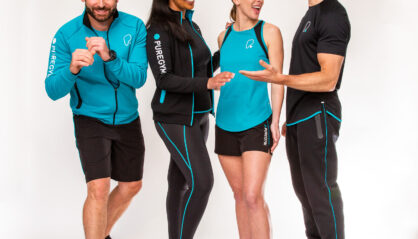
The UK health and fitness sector has grown substantially in recent years. According to the ukactive UK Health & Fitness Market Report 2025, annual revenue across the sector exceeded £5.7 billion in 2024 (an increase of 8.8% compared to the previous year), with 11.5 million people holding gym memberships across 5,607 facilities. For gyms and […]

How do sustainable uniforms influence employee retention and engagement?
Employee retention in large, customer-facing teams is shaped by daily experience more than policy statements. Pay, scheduling, leadership, and progression all matter, yet employees also assess whether their working environment has been designed with care. One of the most consistent signals in that assessment is the uniform they wear for most of their shift. Sustainable […]

What will procurement teams expect from an ethical uniform supplier in 2026?
In 2026, procurement teams are no longer persuaded by well-worded sustainability statements or high-level ethical commitments. They are looking for an ethical uniform partner who can evidence responsible practice across ethical workwear programmes with clarity, structure, and operational discipline, but also with a genuine understanding of the people who will ultimately wear the garments. The […]

JSD’s first year as a Certified B Corp: what that looks like in sustainable workwear
Certified B Corp since March 2025, JSD has spent the last 12 months learning what it means to carry that mark in day-to-day work. Not as a change in direction, and certainly not as a sudden awakening to sustainability, but as a way of sharpening and strengthening principles that have guided the business for years. […]
